A Compelling Invitation
In an era defined by the frantic pace of digital saturation, artist Julie Battisti is making a quiet, deliberate stand. From her Ōtepoti Dunedin studio, Julie creates large-scale oil paintings that demand – and reward – patient observation.
Words Lucinda Diack Photos Isabella Harex
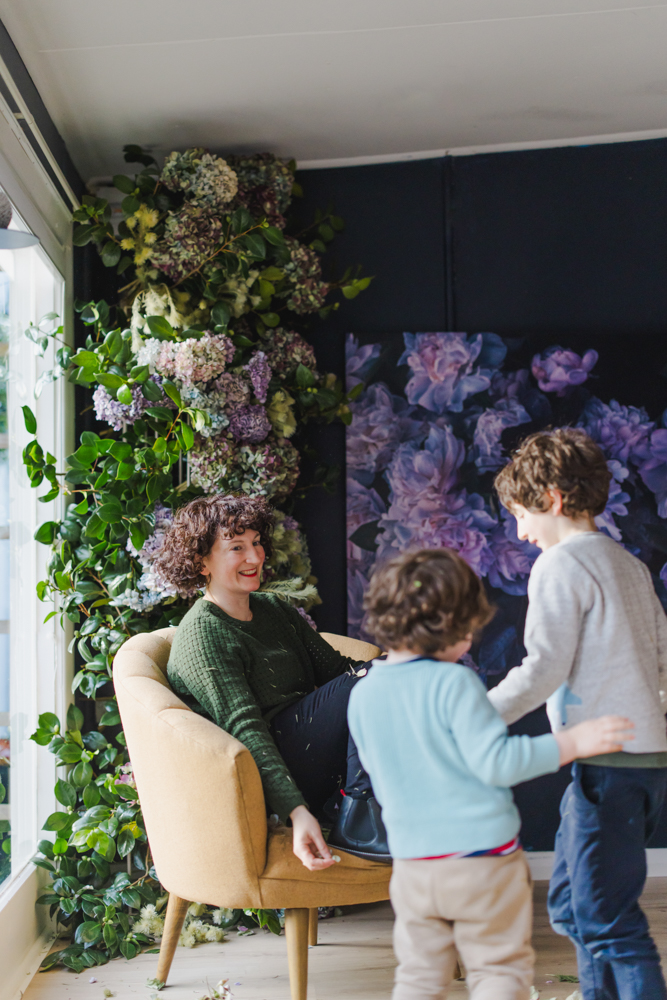
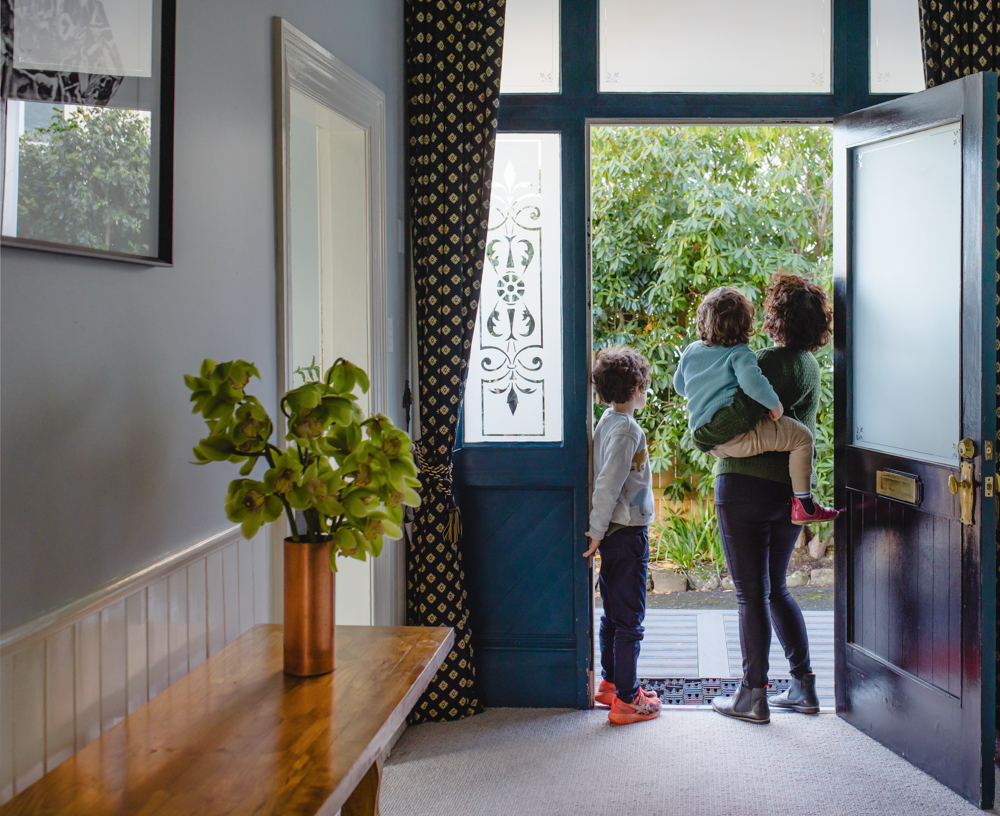
For Julie Battisti, the choice to move from her home-town of Melbourne, to Aotearoa – initially to Rawene in Northland before settling in Dunedin – was about a purposeful shift in priorities. A lifestyle choice that allowed her and husband Chris to balance demanding careers with the grounding realities of family life. ‘I feel like we have all of the good elements of a big city, without the traffic,’ she laughs. ‘Not to mention the unsurpassed wild, relatively deserted beaches.’ In her daily rhythm, the work commute has been replaced by the simple, anchoring act of walking her two young boys to school.
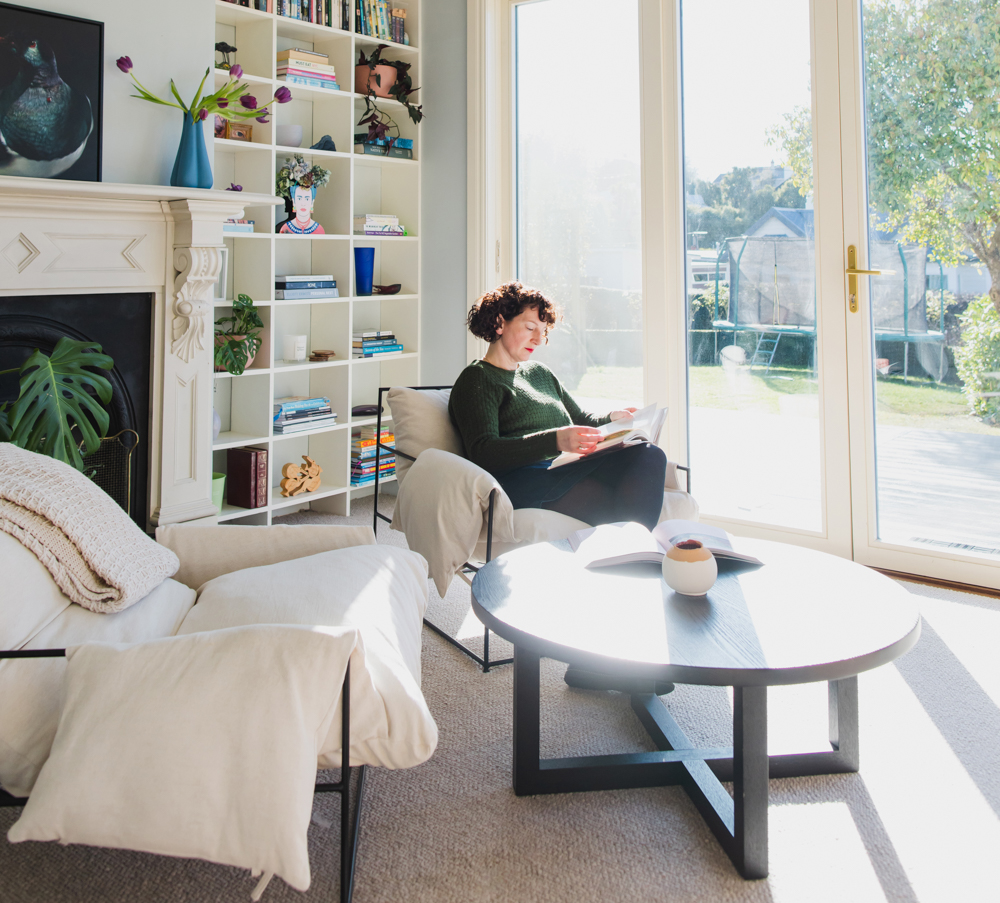
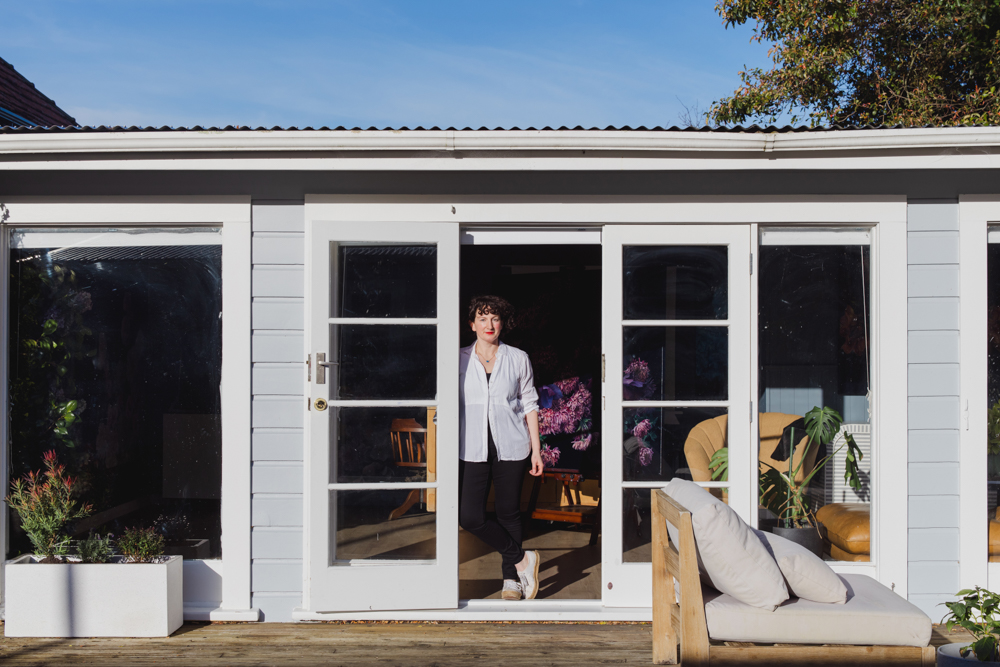
This domestic sphere is deeply integrated with her creative one. Her studio, housed behind the 120 -year-old family villa, provides the separation necessary to be present in both the inevitable chaos of raising a young family and maintaining a dedicated, private space for her painting. Balancing her two worlds has no singular, fixed routine; rather it evolves around family schedules, the demands of life and the natural, seasonal cycle of flowers. ‘Walking to school together as a family is something I love, the conversations, the exploration of sticks and flowers along the way … these little moments with my boys and husband in the natural world give us precious time together but also grounding moments to start the day.’ Once back from school and kindy drop-off, Julie is straight into her studio until pick up, often returning post the bedtime routine for several more hours.
-
- A Quiet Sort Of Drama, [detail] 2026, by Julie Battisti. Oil on Linen, 1440 mm x 1550 mm
Her artistic practice is a reaction against the speed of contemporary life. While she acknowledges the fear surrounding rapid technological changes and the encroachment of AI on creative industries, she remains optimistic about humanity’s enduring need for the human touch and the number of people she sees ‘coming back to art.’ For her, painting is an act of defiance against the transient nature of modern attention, as much as it is a natural talent and passion.
Her work, a study of light, texture and impermanence, captures fleeting moments in the natural world: the atmospheric shift of clouds and the fragile, transient beauty of flowers.
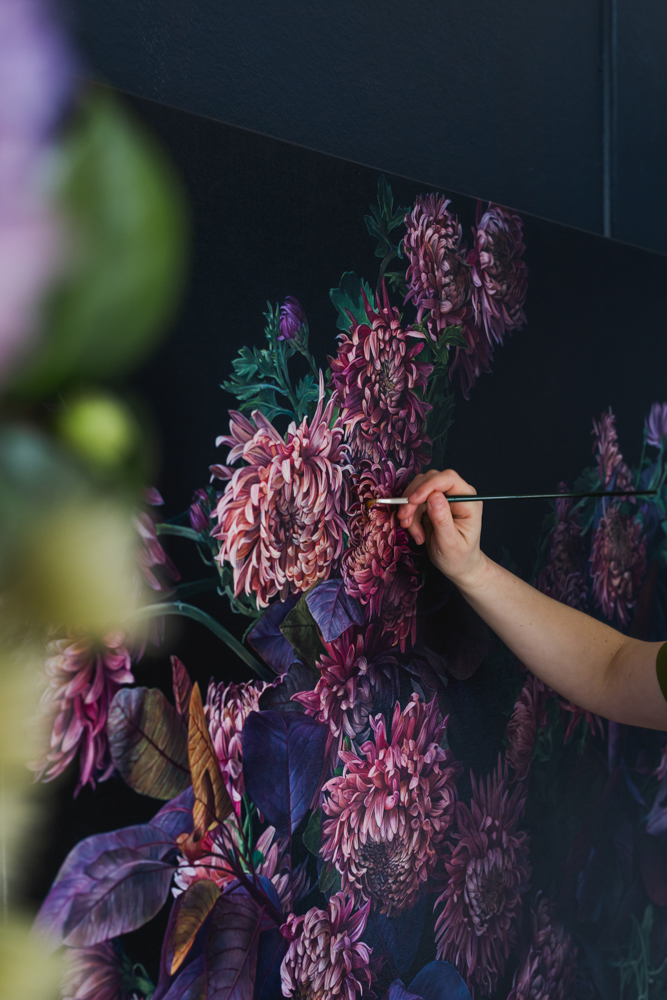
Her process is labour-intensive and intentionally slow, resisting any urge to rush – a contrast to her on-the-go vibrant personality and family life. It begins with a thought, a specific colour, or a desire to explore a particular flower.
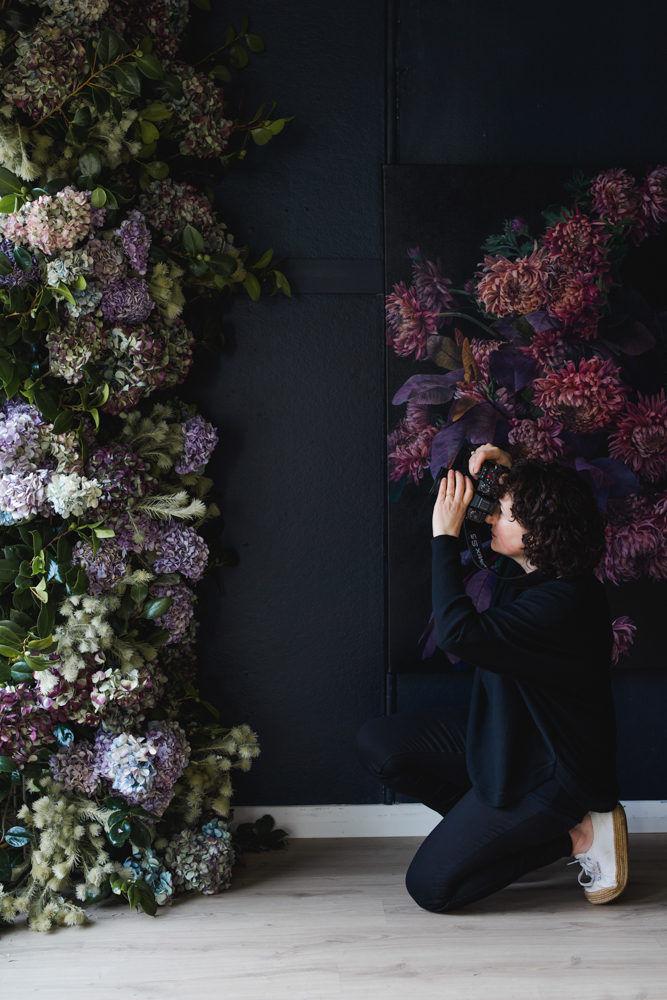
Much of her initial creative process is collaboration, in particular with local florist Jolene Wilkinson of Estelle Flowers who sources the seasonal blooms. This relationship is integral to her work, turning the arrangement process into a shared, creative dialogue – with her works a layered act of storytelling and community.
‘For this most recent series I felt a real sense to paint the curves and textures of flowers like chrysanthemums,’ she explains, ‘and Jolene turned up with bunches of them, all from her garden, and we spent hours arranging.’ Once the composition is captured through her own photography, the work is then painted on large-scale linen canvases – some reaching 1.7 by 1.5 meters.
Her latest series, titled The More Things Change, explores the iterative, cyclical nature of existence. By painting flowers on a grand scale, she elevates them from mere decoration to something substantial and immersive. ‘Floral paintings are a reflection of the moment you are in,’ she explains. ‘A single moment in time.’
From the Dutch Golden Age to the modernist works of Georgia O’Keeffe, Julie is inspired by those who have gone before, not as a standard to replicate, but as a
lineage of artists who have used the natural world to reflect the specific conditions of their time. ‘I do wonder what my pieces will tell us about the time we are living in,’ she reflects.
-
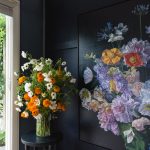
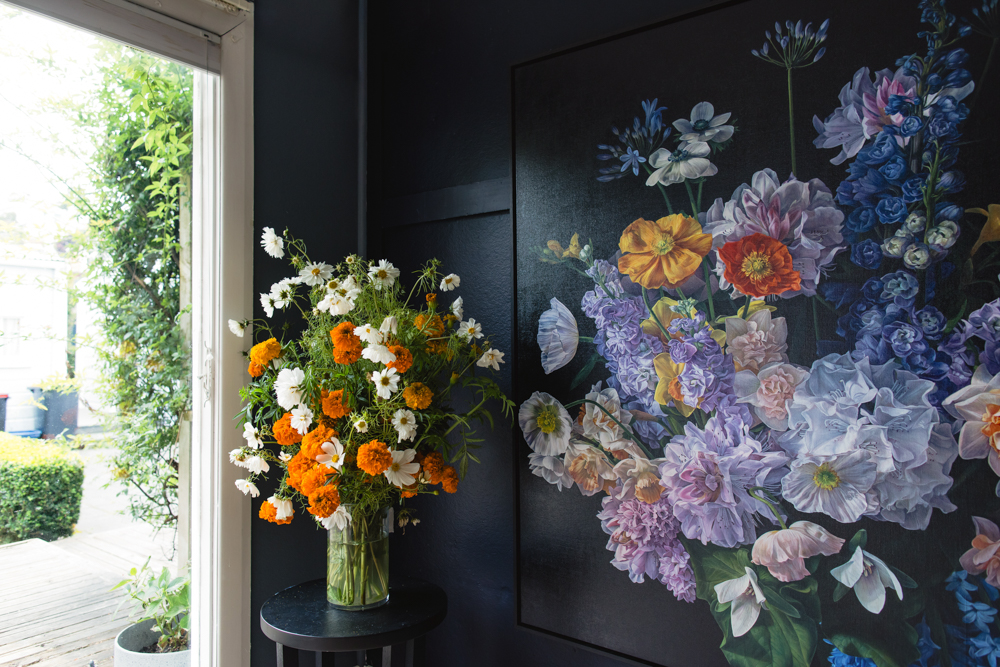
- There You Are, 2026, by Julie Battisti. Oil on Linen, 1482 mm x 1465 mm
-
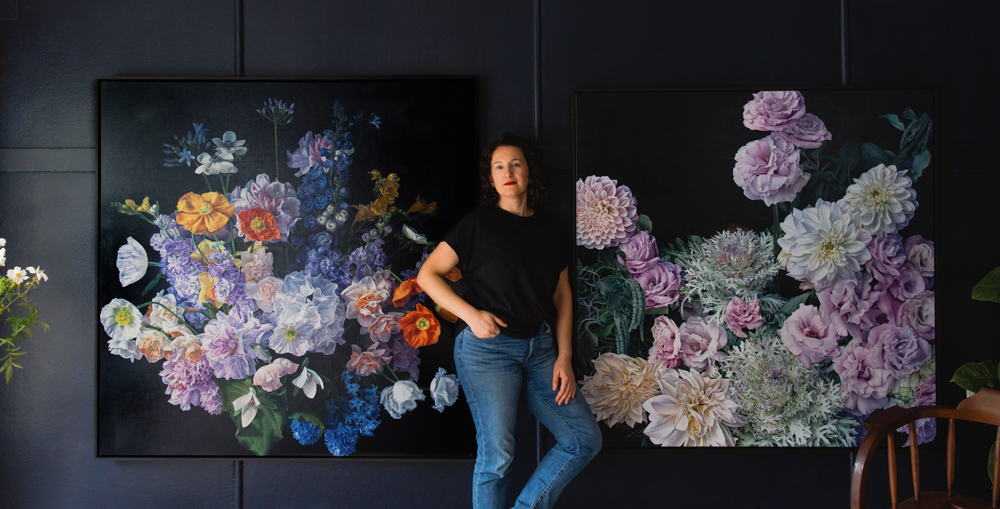
- Left: There You Are, 2026, by Julie Battisti. Oil on Linen, 1482 mm x 1465 mm. Right: Eat Your Greens, 2026, by Julie Battisti, Oil on Linen, 1400 mm x 1400 mm.
-
- ‘It is the little moments with my boys and husband in the natural world’ that fuel Julie. Whether she has a paintbrush in hand, or headphones on recording her latest episode for her The Creative Kind podcast, it is Theo and Alfie who keep her grounded.
Beyond the canvas, Julie has carved out a unique space in the Australasian art community with her podcast, The Creative Kind. What began in 2024 as a personal quest for professional development has evolved into a vibrant community of artists and creatives, with the podcast a series of in-depth conversations that dive into the creative detail; give a platform for shared experience and the chance to go behind the scenes of the business of art with arts professionals. Exploring vulnerability, the creative process and the importance of connection, she speaks with both emerging and established artists about the realities of building a creative life.
‘There is so much joy in learning from each other,’ she says.’ For listeners, the podcast offers a rare window into the internal world of the artist – the doubts, the problem-solving, the thrill of the creative process; and the power of collaboration.
As she looks to the future, Julie remains open to whatever captures her attention next. Whether it is a return to her cloud studies or an entirely new subject, she is committed to remaining present. She avoids predicting too far ahead, fearing that to do so would cause her to miss the unplanned opportunities that arise from simply paying attention.
You can experience Julie’s latest body of work The More Things Change at Parnell Gallery, Auckland from 10-24 September 2026.