Where Life & Design Intertwine
Miranda Osborne’s life and work are deeply inter-connected. There is no sharp line between home, family and business; instead, they flow into one another, shaped by care, creativity and connection.
Words Lucinda Diack Photos Sarah Rowlands
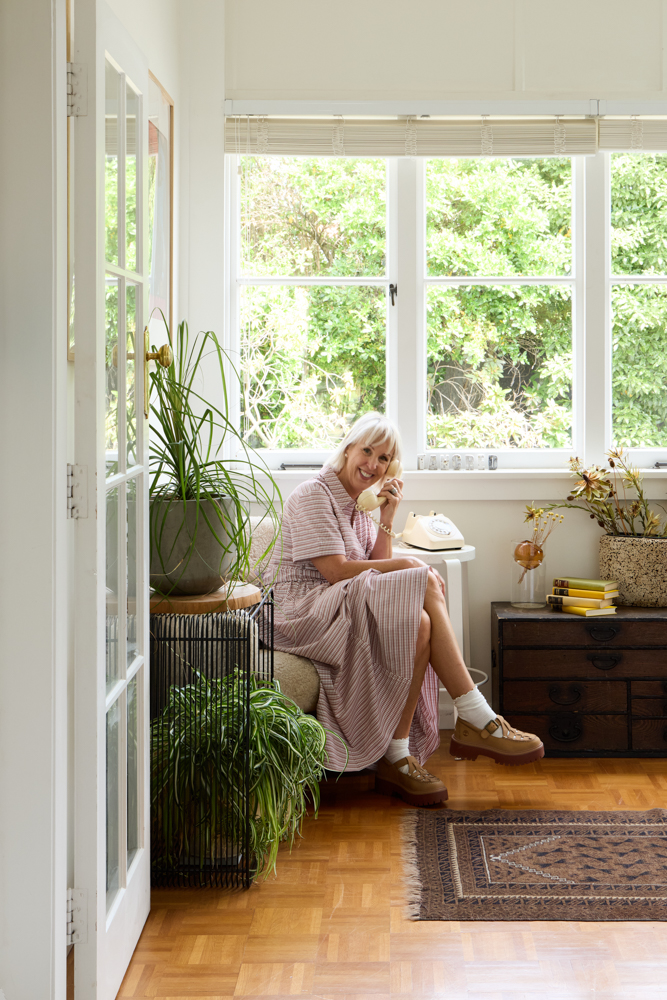
For Miranda Osborne, life is not a series of neatly boxed compartments. There is no heavy door that swings shut between her role as a mother and her identity as a business owner, nor is there a sharp line where her home ends and her studio begins. Instead, her world is a fluid, rhythmic ecosystem, where family, creativity and commerce flow into one another, held together by a philosophy of care and connection.
With a background grounded in curiosity and a long-standing love of objects that have a story, Miranda has always been drawn to things made by hand, not for perfection, but for the evidence of the human behind them. Often seeking out artisans simply to learn about their processes and to form relationships that went beyond transactions. That instinct – to slow down, to ask questions, to build trust and deepen relationships – became the foundation of her business.
Growing up in Woodbury (near Geraldine), Miranda is a ‘farm girl who lived a big chunk of her life in Auckland’, before returning to Christchurch to be closer to family; which for her and husband Richard is ‘everything.’ As a young adult she dove headfirst into the life of a full-time artist before transitioning into textile design. A role that became her passport, taking her to London and across the globe, where she learned the intricacies of curtain fabrics and overseas sourcing. A shift from fabrics to fashion followed, providing her with a masterclass in dealing with international factories and the logistics of production. ‘Life was pretty busy,’ she laughs. ‘Rich and I both had consuming full-time jobs and two young daughters at home. I knew something would have to give and that came to a head with the Christchurch Earthquakes. I had just landed in San Francisco on a buying trip when the first quake hit and I thought “what am I doing here. I should be at home with my family.” I realised if I was going to bust a gut, then it may as well be for myself.’
With a love of furniture and a passion for design, Miranda left her career in fashion behind and set about drawing up ideas to formulate a furniture range that utilised one of the most recyclable materials on earth – steel. ‘I wanted to create designs that were functional, comfortable and could be handed down for generations. The benefits of steel and powder coating is that after years of use it can be stripped back and re-powder coated to look brand new.’
Despite her girls now flying the nest, family life will forever sit at the centre of Miranda’s days. Her home is not just a place of retreat, but a working environment where ideas are tested, products are unpacked and conversations unfold around the kitchen table.
Living this way requires intention. Miranda structures her business to fit around family rhythms, not the other way around. Shared meals and time at home are non-negotiable and work expands or contracts around those anchors. This slower pace is not about doing less, but about doing things deliberately. ‘I want my children to see that work can be creative and flexible. That it can exist alongside family, not in competition with it.’
-
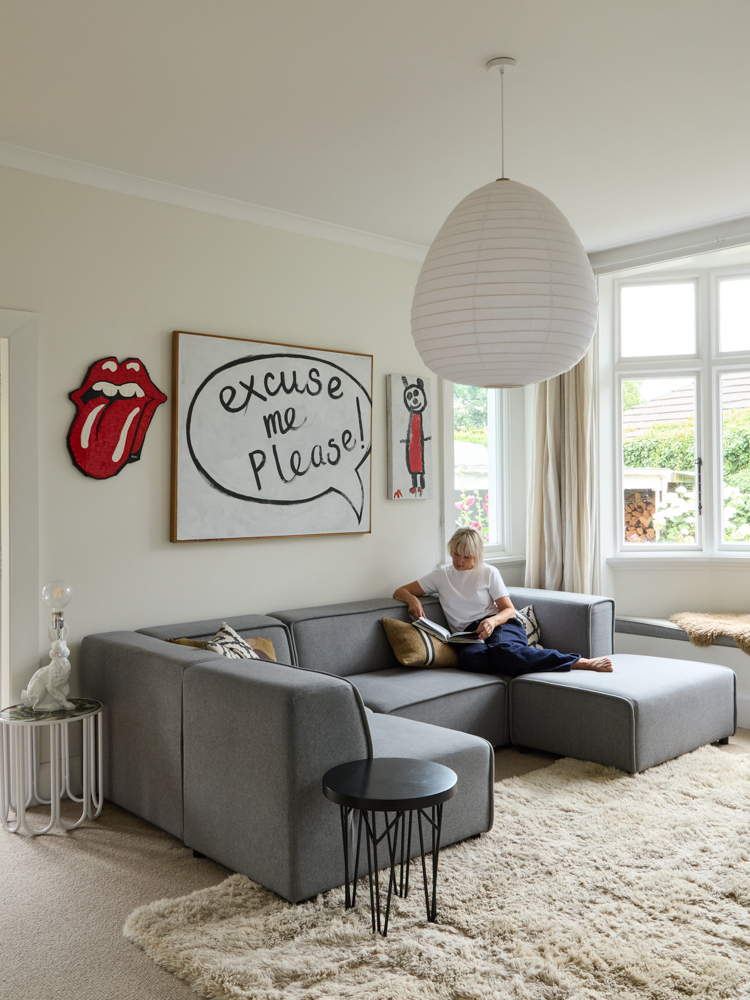
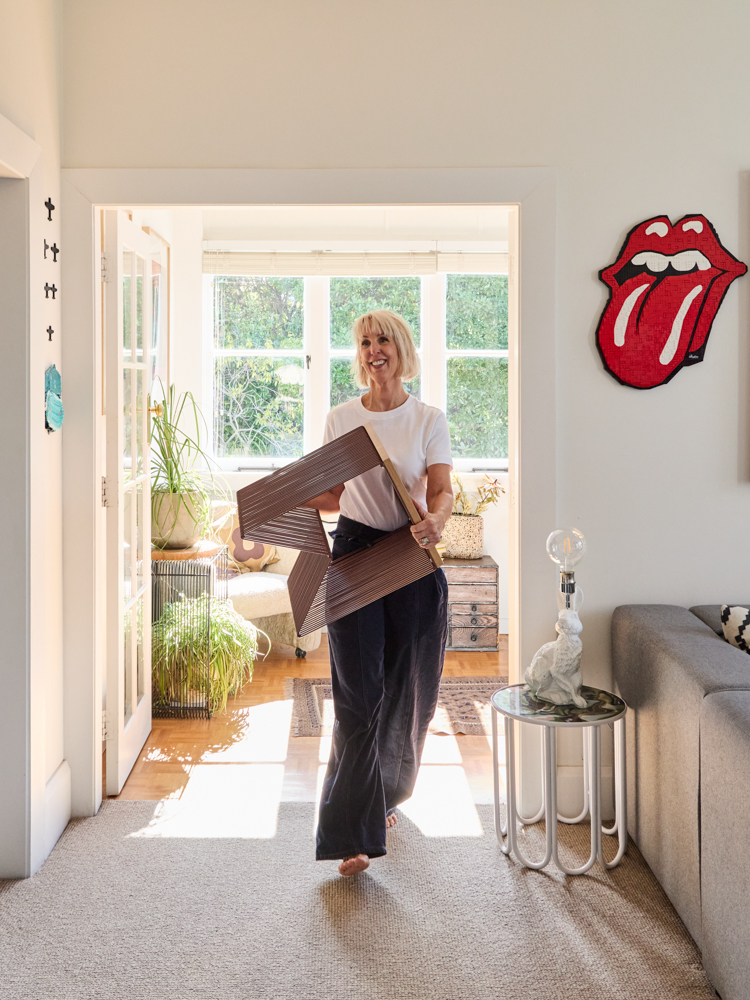
- Lego Rolling Stones art hangs alongside one of Miranda’s own paintings (middle) and that of daughter Matilda, who painted Minnie at age 5.
-
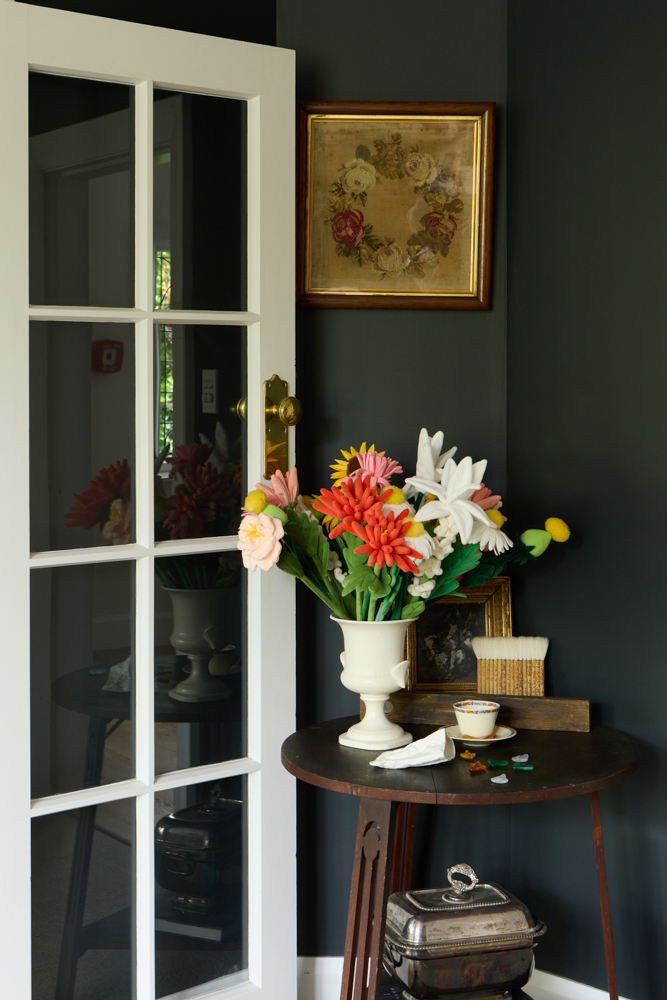
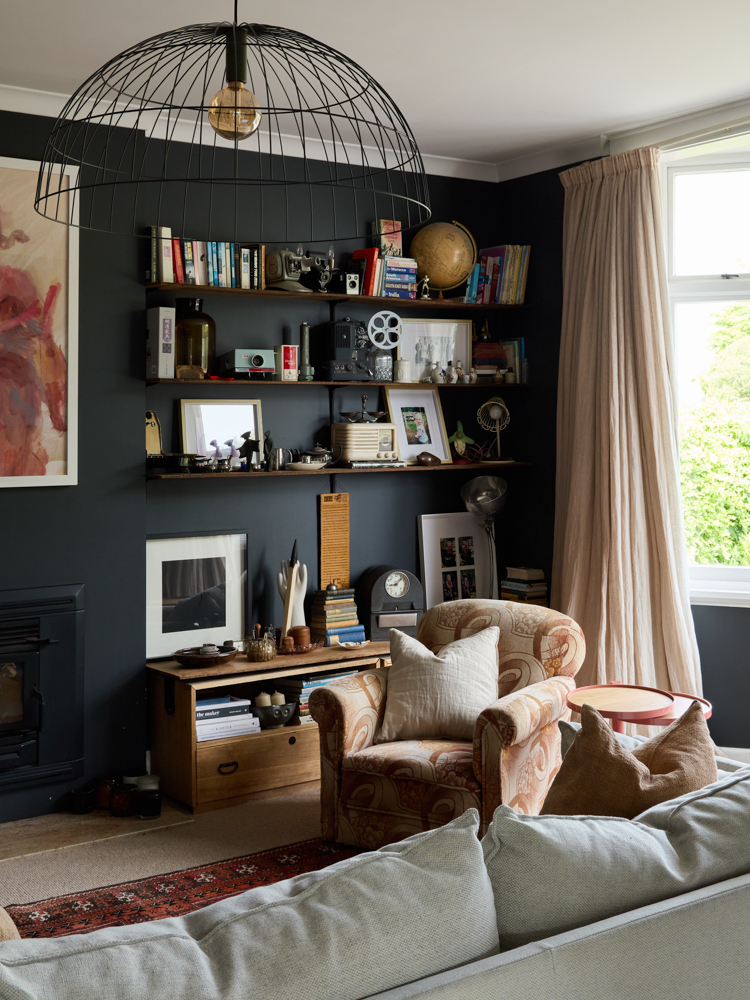
- Miranda and Rich Osborne’s home features pieces that have been chosen for longevity rather than novelty. There is an appreciation for patina, for things that age well and carry marks of use. Treasured items and art fill the home with meaning. Each piece tells a story of a place, a person or a moment in time
-

- The Lego Rolling Stones artwork is always a popular talking point for visitors
-
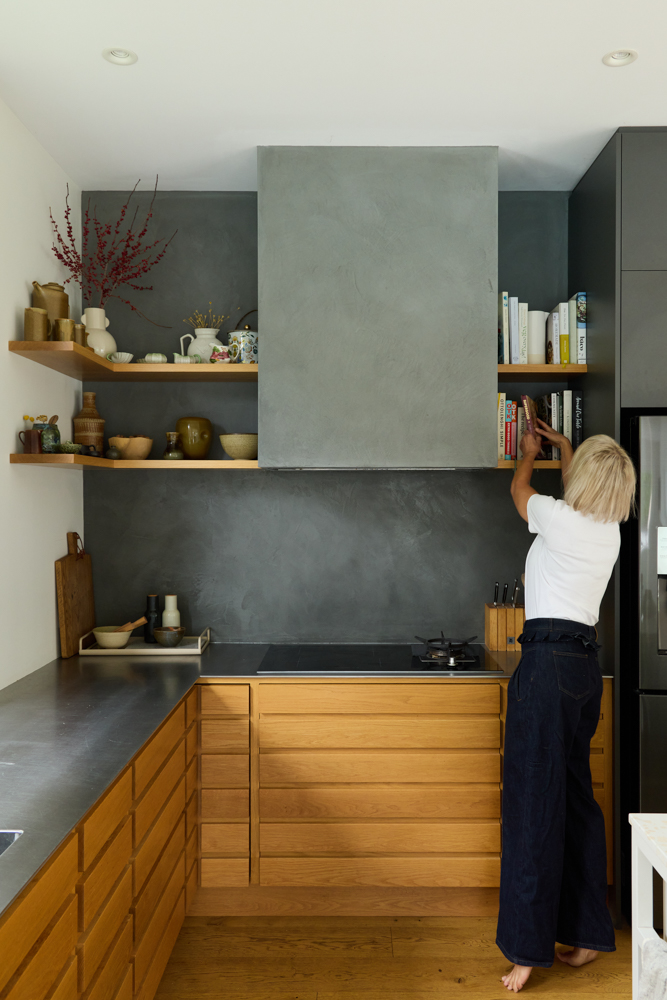
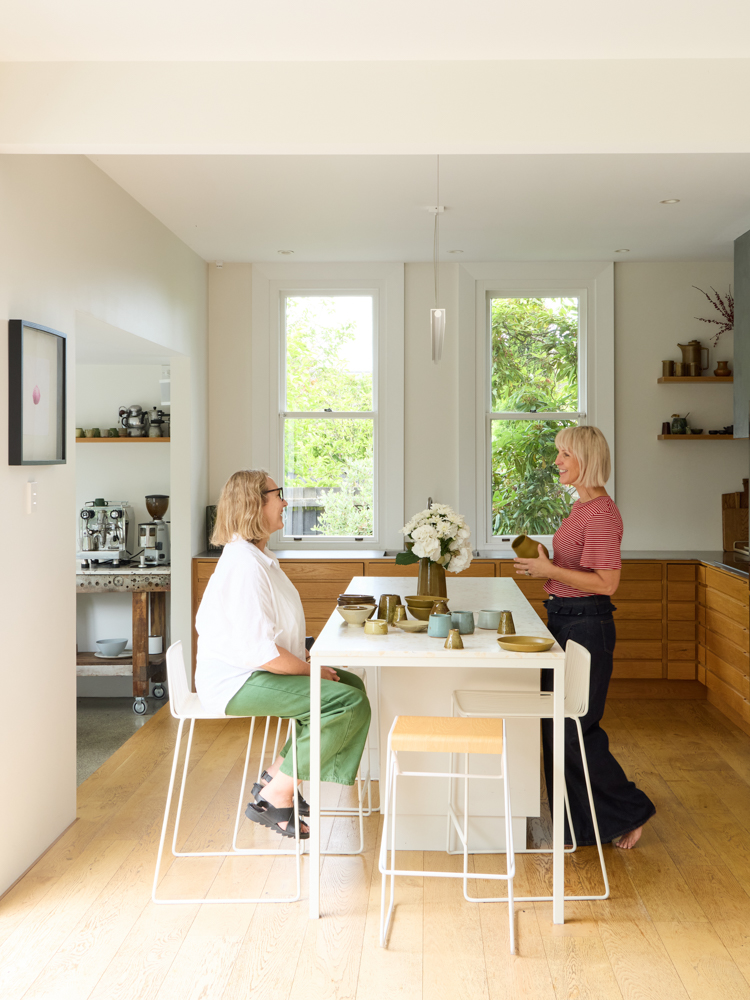
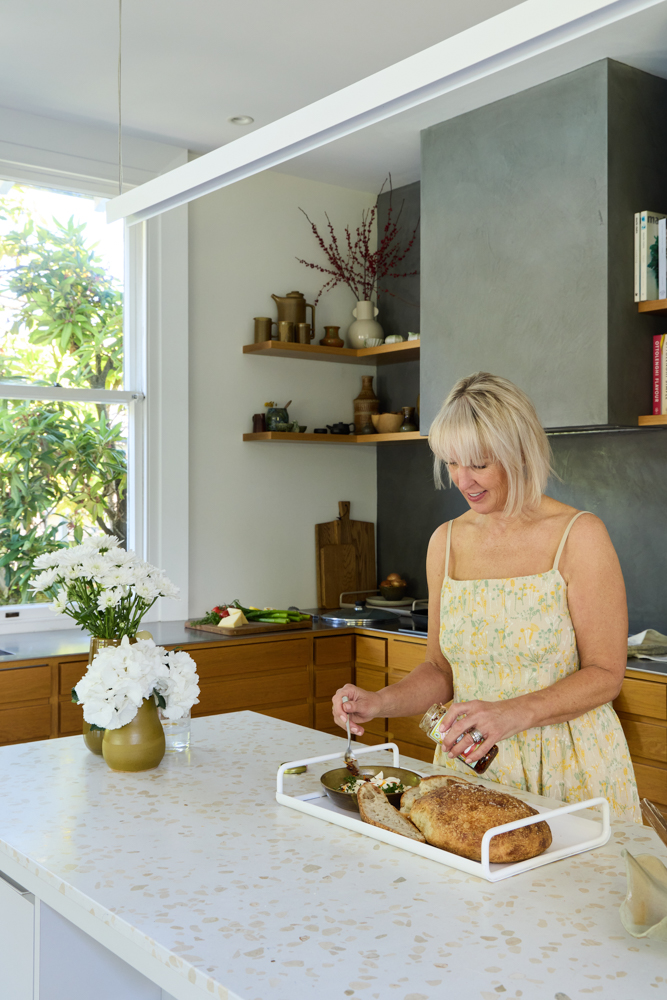
- Once buttermilk yellow, the kitchen is now a functional modern space featuring solid oak drawers and venetian plaster. Many of the items on display have been collected from Grandparents.
Grounded by Design
Ico Traders was born from a desire to create a business that honoured makers and materials equally. Rather than chasing volume or trends, Miranda chose to work in small batches, allowing space for quality, integrity and relationship-building. Each product begins with a conversation: about materials, timing, capacity and intention. This approach means collections evolve slowly, but with depth and consistency. For Miranda, this is an ethical choice as much as a practical one. ‘There’s a lot of pressure in production to grow quickly,’ she reflects. ‘But growth isn’t always healthy. Sometimes staying small is what keeps things sustainable.’
Her connection with makers is personal, visiting workshops when possible and delighting in the detail of the process. ‘Everything I design has to pass the test of the everyday, rough-and-tumble chaos that is Osborne family life. This is why my designs are simple, sturdy and multifunctional, with each piece made individually. Most of them have more than one use or purpose and are light enough that they can be moved from room to room, space to space, inside to outside, as they are needed. My motto is: buy less, use it for more.’
-
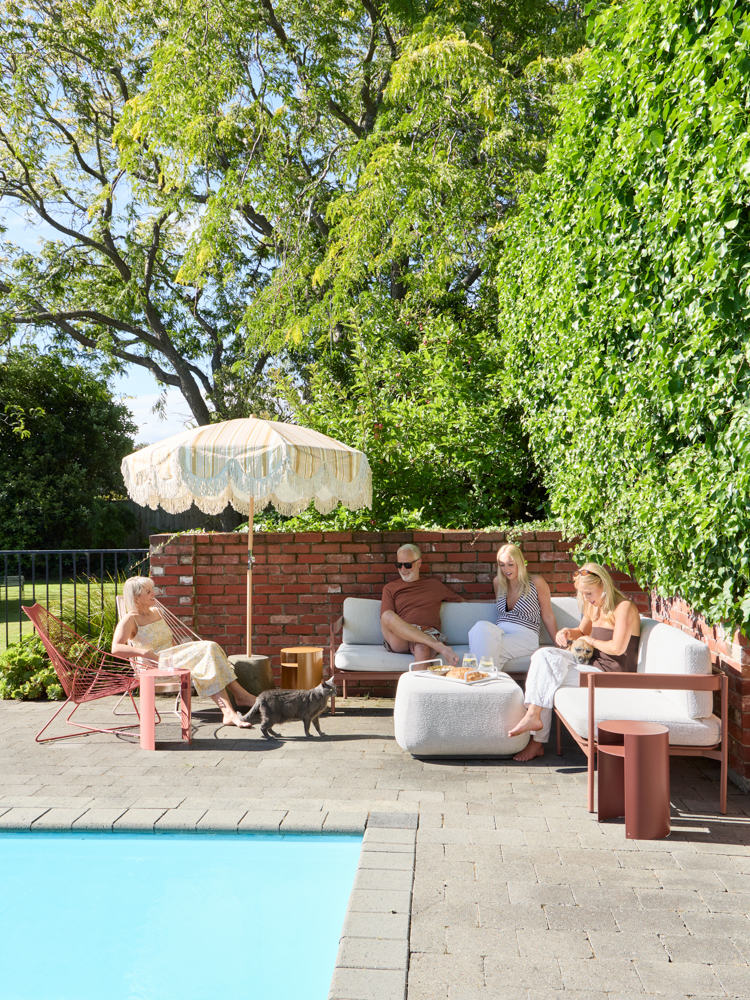
- The Osborne family, Miranda, Rich, Henrietta and Matilda, along with furry side-kicks, Alfie and Dougal. The private back yard, with two Gleditsia trees and brick fence, captivated Miranda and Rich from the moment they saw the house. Like the home, the garden has been enhanced to allow for seamless gatherings of friends and family.
The Ico Philosophy
Something that continuously inspires and drives Miranda is the support and connection with other women in business. ‘Running a small business can be isolating, particularly when balancing family responsibilities. Having a network of women who understand those pressures is invaluable,’ she says.
Of equal importance is the role the business plays environmentally. ‘I am really mindful of the impact we are making. How pricing reflects labour, how customers engage with the objects they bring into their homes, how the cost of manufacturing impacts the environment and more,’ she says.
Education is part of this and Miranda passionately invites people to understand the time, skill and collaboration involved in small-batch production; and how ethical relationships can transform a business from a transactional platform to one built on personal connection, wellbeing and creative resilience. One of the most sustaining examples of this for Miranda is her connection with Bob Webster and Carol Jensen from Waipuna Bush. ‘We aren’t perfect, but we are extremely conscious of our carbon footprint and since 2021 have been offsetting our emissions by investing in credits sourced from Permanent Forests, which help grow and protect the Waipuna Bush in Banks Peninsula,’ she explains. ‘Being welcomed onto their land and being able to take part in native regeneration projects has been really special.’
In a world that often celebrates expansion and visibility, Miranda has built something quieter and more grounded; demonstrating that success isn’t always about financial reward and recognition. But rather is about strong relationships, meaningful collaborations and a life shaped by values rather than volume.
-
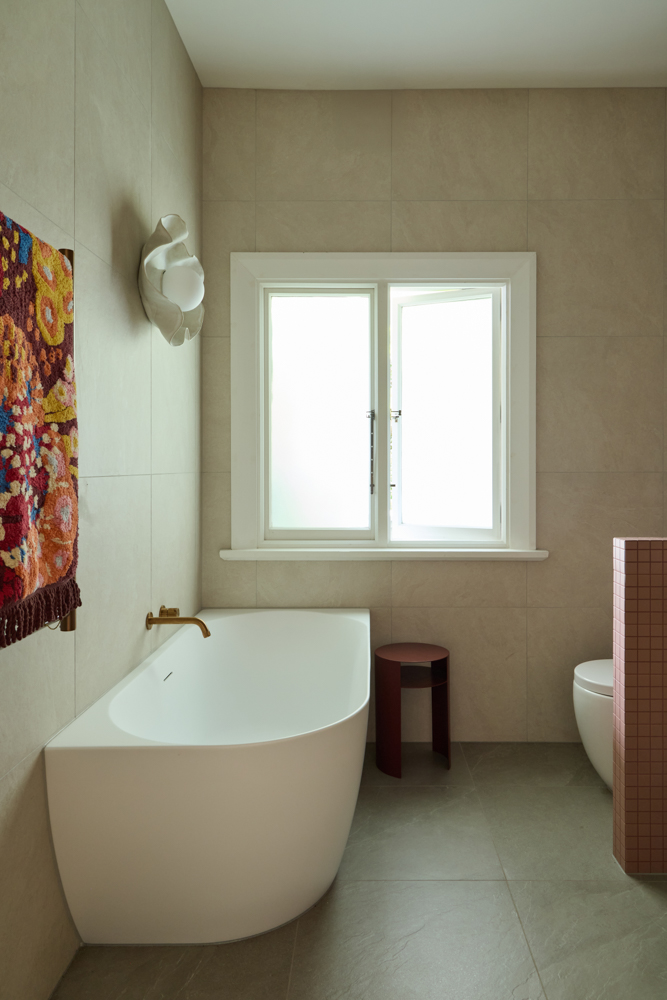
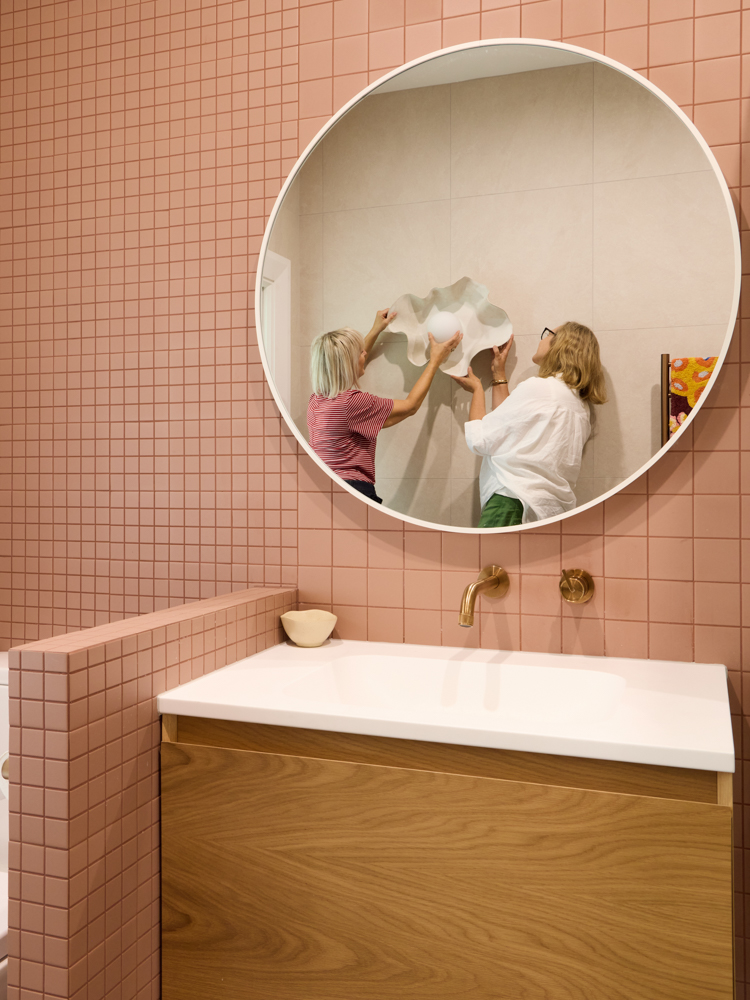
- Expanding on a new collaboration with Rachel Williamson from Mr Ralph has seen Miranda work with potter Annabel Dunlop; they are pictured here installing an instant talking point to the bathroom.
Creating with Others
I didn’t realise when I started this business that I would meet so many fascinating people and have the opportunity to work together on such a variety of projects. Many of these partnerships have allowed me to support and celebrate other talented women and local makers in New Zealand. From Sally McDonald at The Arc Dept, who designed resin table tops for our Montalto Tables, to Tanja McMillian at Misery, who brought her gorgeous ‘Kailani Girl’ illustration to our Summer Sun umbrellas; to my on-going collab with Julia Atkinson-Dunn from Studio Home for the Akaroa Butchery. Each project injects fresh energy. Most recently, I’ve felt like I’m coming full circle to where Ico Traders began by collaborating with Rachel Williamson from Mr Ralph on a wire lighting range which has been really special.
For me, collaborations are more than just business; they are a creative lifeline, pushing me beyond my own design limitations. There is something incredibly inspiring about merging two different creative visions to build something neither of us could have made alone.
-
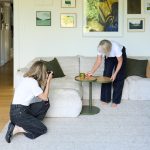
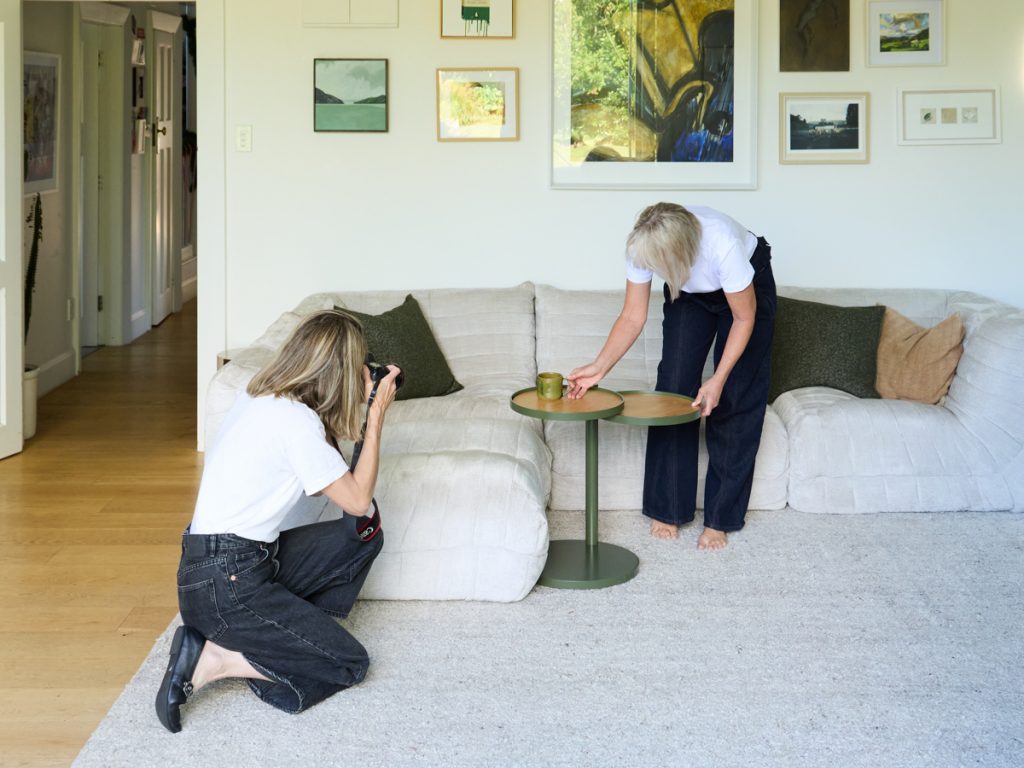
- Miranda’s sense of community extends to the people she surrounds herself with on a daily basis, with Bridgett Holland having helped run Ico Traders for over 9 years and her daughter Daisy even working for them now. Georgia Smith rounds out the day-to-day team while photographer Sarah Rowlands (pictured) has been part of the story for 8 years.