Threads of Time
When Nikolai Solakof stumbled upon a vintage Oscar Eide jacket in Queenstown, it sparked a relentless pursuit to bring the iconic Kiwi outerwear brand back to life.
Words & Photos Elle Grace
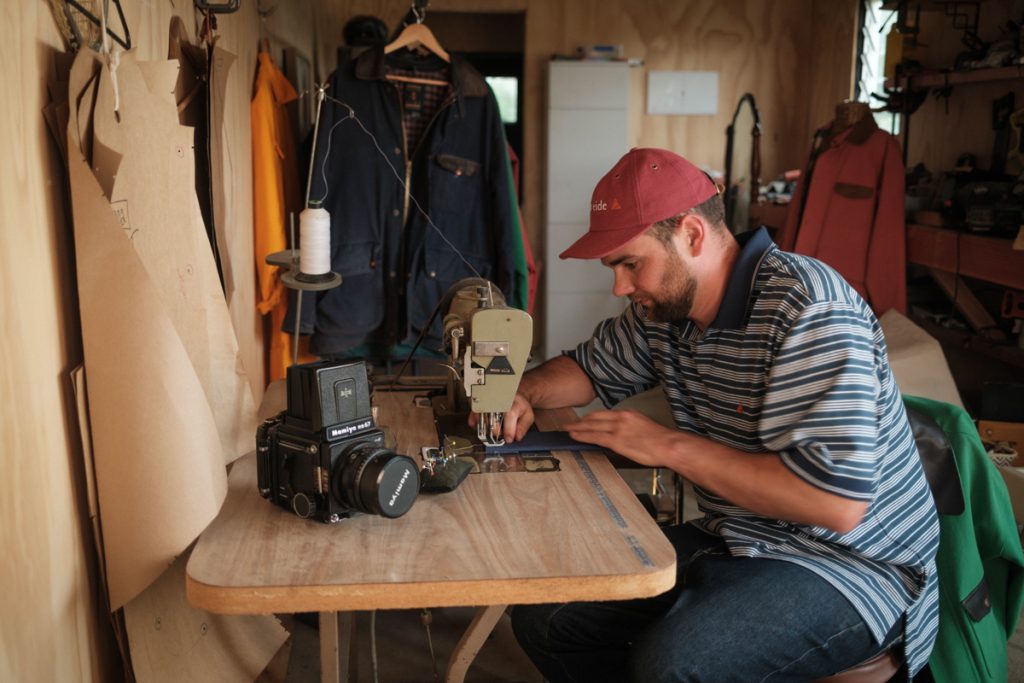
Nikolai Solakof never planned to revive a century-old Kiwi brand, but a chance discovery changed everything. A builder by trade, in 2022 he moved back to Wānaka to help his father build a house on their lifestyle block. ‘For me, it has always been the family business, and I’ve tried to branch out doing other things,’ he says. ‘I did a marketing degree, but then got sucked back into building. I never really lost the dream of wanting to use my marketing and creative side.’ That move home set him on a path to uncover a nearly forgotten piece of Kiwi heritage and bring it back to life.
While browsing a vintage pop-up in Queenstown, Nikolai spotted a jacket, an original Oscar Eide. Tough, timeless and built to last, it sparked his imagination and curiosity. ‘It felt like New Zealand’s response to the world’s most iconic heritage outerwear,’ he says. With no online presence, few records and a factory that had long since become a lighting store, the brand had vanished.
Nikolai’s response was relentless. Undeterred, he embarked on a hunt across the North Island, digging through archives, tracking down former workers and piecing together the story of the lost label. Sometimes he drove for hours only to find leads that went cold. ‘It was like detective work,’ he says with a grin. ‘Every person I found had a story or a scrap of information. Slowly, the pieces started to fit together.’ Eventually he tracked down the original trademark. Oscar Eide was not just a name. It was a legacy.
The early days were far from glamorous. ‘In 2024 I was working out of my bedroom, crammed in with two sewing machines, while working as a builder by day and a pizza chef at nights to get enough money to afford the first run,’ he says. Balancing multiple jobs while teaching himself to sew from YouTube videos, Nikolai transformed a side project into a full-time pursuit. ‘It honestly hasn’t felt like work yet. I’m still waiting for that day.’
Nikolai faced a key decision: where to manufacture. Free trade agreements had long encouraged offshore production, but he was determined to keep it local. ‘If I was going to do this, I had to at least try to make them in New Zealand.’ For Nikolai, making the jackets locally wasn’t just about pride; it was about quality, accountability and preserving a legacy of New Zealand craftsmanship.
-
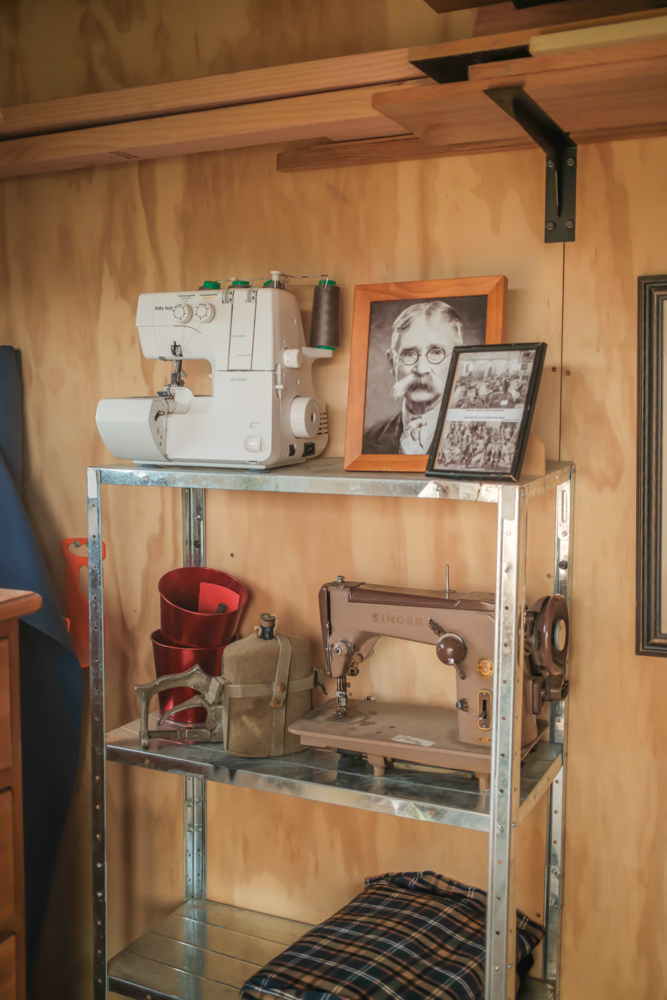
- A shelf of stories: a portrait of Oscar Eide from the 1930s, pages from Hugh Ramage’s In the Midst of the Boom chronicling Whanganui’s textile history, Nikolai’s mum’s well-loved overlocker, an antique Singer rescued for restoration, a once-rejected lining sample now reborn as an event tablecloth, and a WWII canteen – the kind Oscar Eide produced while crafting bags, water vessels and tents for the Pacific war effort.
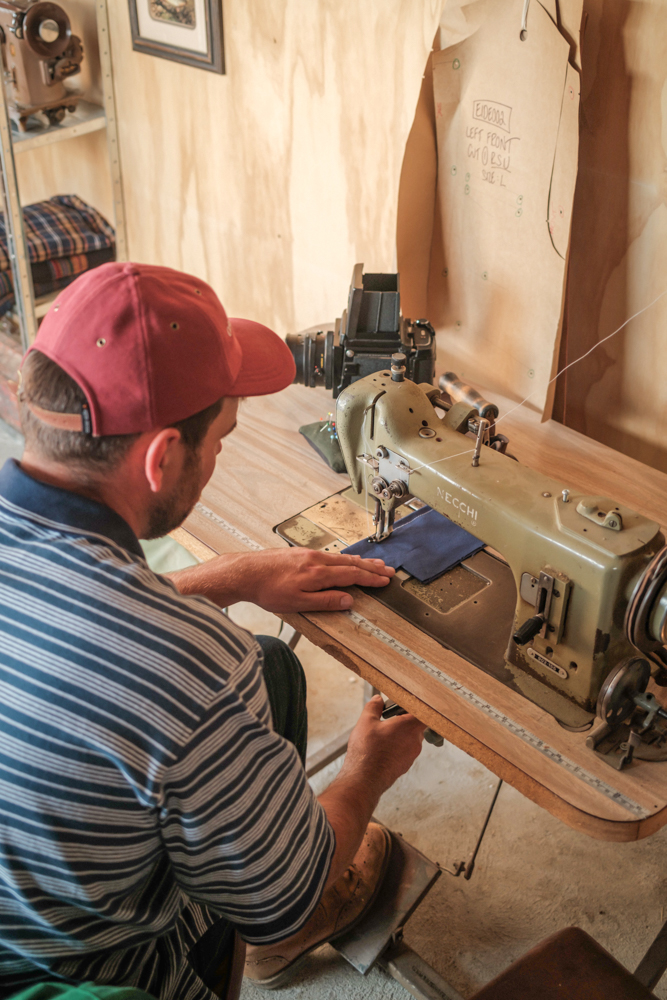
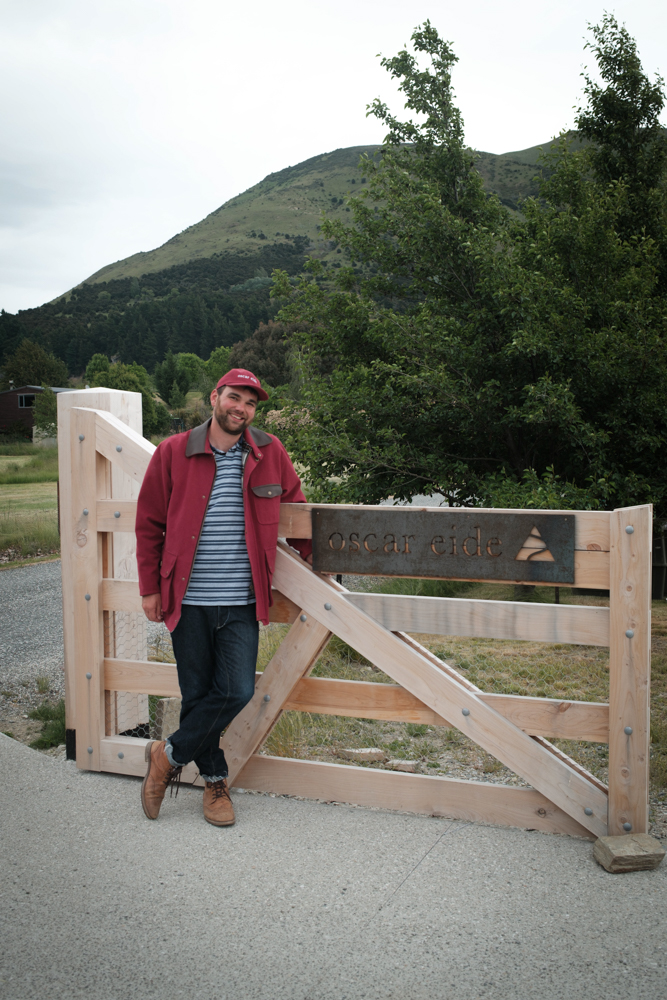
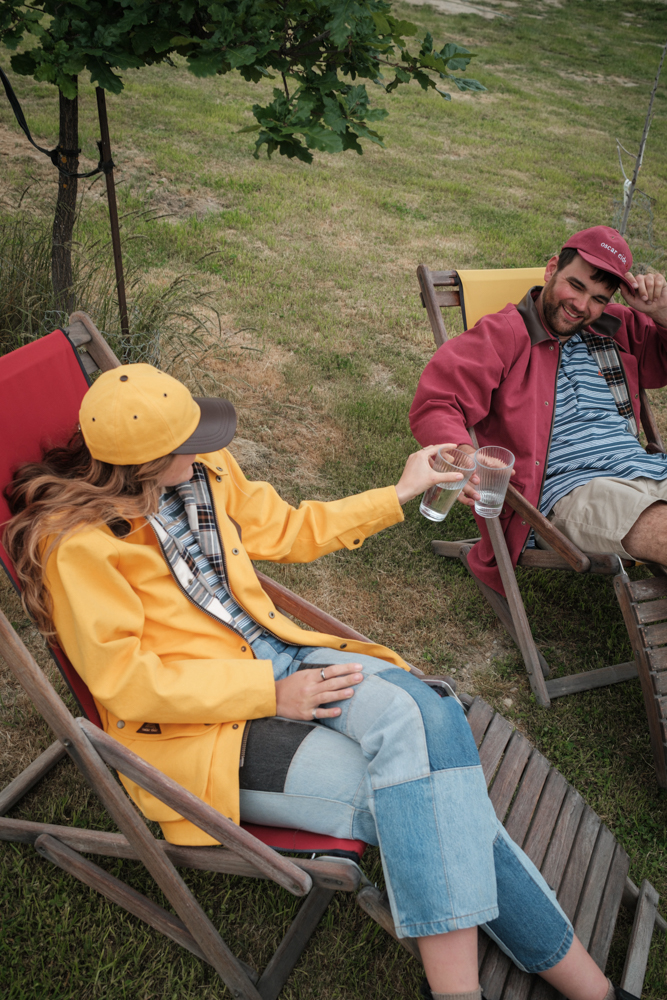
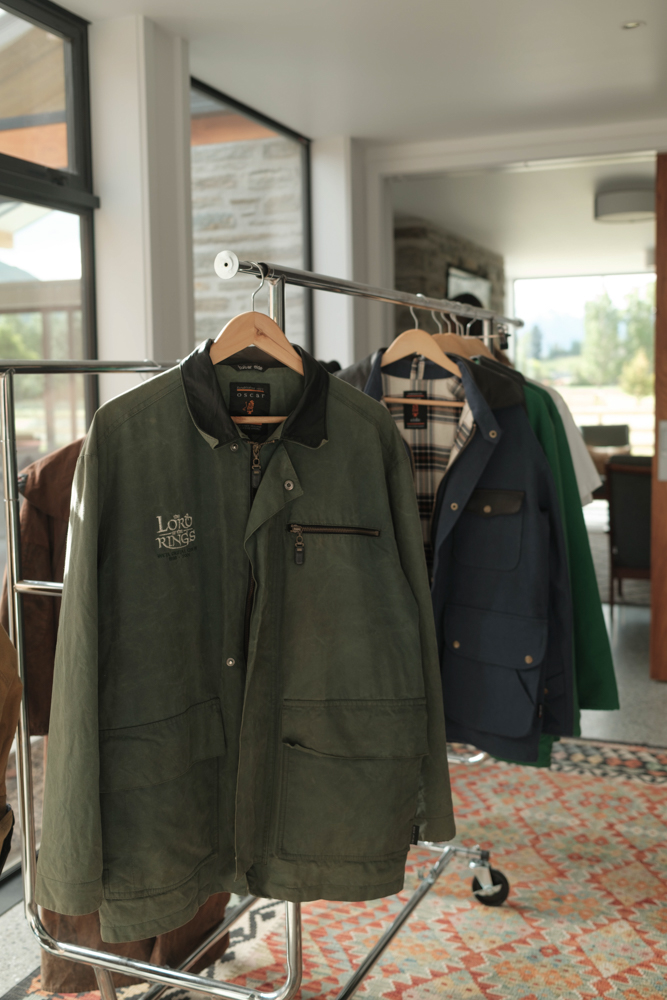
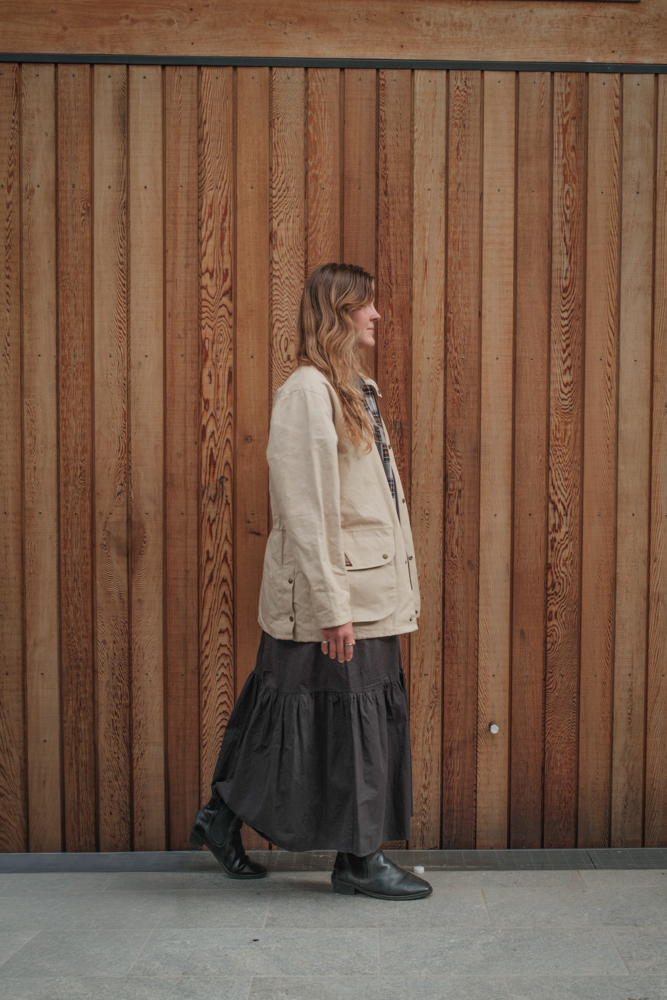
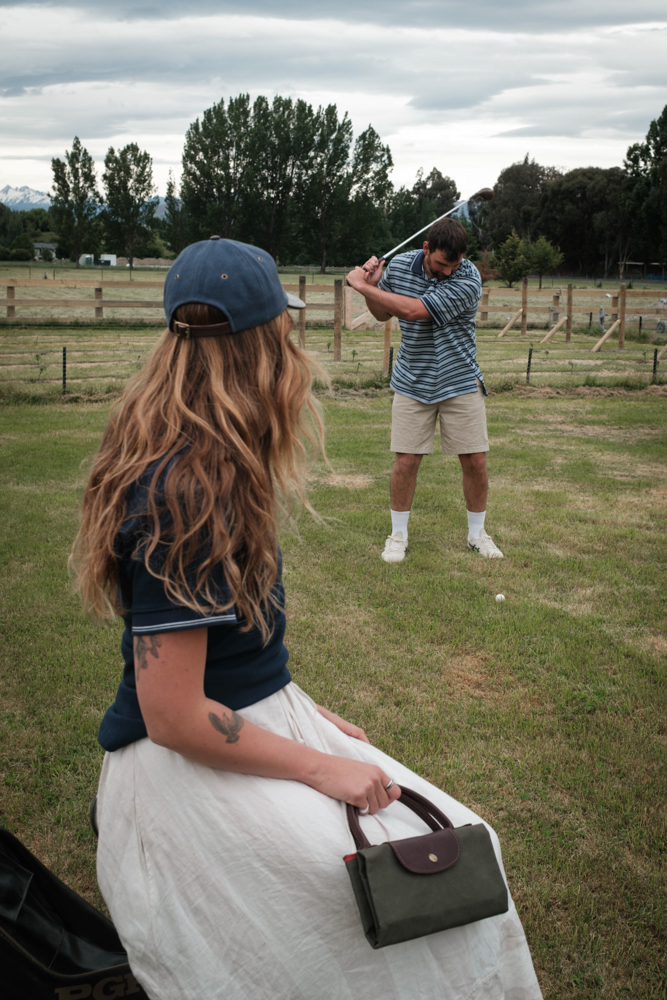
Finding the right materials was a mission in itself. Nikolai sourced samples from mills across multiple continents, comparing weight, texture and durability.
One stood out: Fujikinbai canvas from Japan, a heritage textile woven in specialised mills. He flew to Japan himself to secure the deal. Leather was next. Every Oscar Eide jacket features New Zealand leather, locally sourced, full-grain and built to age beautifully. ‘I’ve put everything I have into making these as good as they can be.’
Every jacket takes roughly 10 hours to produce, a testament to the care and attention behind each piece. Nikolai collaborated with his mother, a trained textile student, and connected with Iona Woolgrove from Umsiko, a pattern maker in Wellington. Iona taught him the intricacies of the rag trade: sourcing materials, making patterns and finding the right people to work with. ‘It’s been a crash course and I’ve learned on the fly,’ he admits.
The first batch of 40 jackets launched at the 2025 Wānaka Show. ‘The first six hours I didn’t sell a single one,’ he recalls. Then a woman tried on a jacket, loved it, and bought it. Word-of-mouth took over and soon the jackets were flying off the stand. ‘Respect every question or potential customer because sometimes a kind greeting or warm interaction goes a long way and gets you remembered,’ he explains. ‘You learn quickly what works and what doesn’t, which colours people gravitate toward, which designs resonate. And the power of having a story? It changes everything. People aren’t just buying a jacket, they’re buying into the journey.’
Beyond clothing, Oscar Eide is a story. Nikolai crafts Instagram reels that entertain as much as they inform. One reel detailing his journey garnered over 180,000 views, a remarkable feat for a start-up with zero marketing budget.
He is now working on producing a documentary to be released in March 2026, chronicling the brand’s history, from army tents during World War II to iconic outerwear. ‘I’m doing it all DIY, filming, editing, voiceovers. It’s part of the journey and it’s how you have to do things in New Zealand if you’re starting small.’
Despite challenges, Nikolai remains committed to keeping production local. ‘Some people say, why not just make it in China? But I owe it to my customers. Oscar Eide is New Zealand-made, and that’s non-negotiable.’
Looking ahead, Nikolai aims to build a small retail hub at his parents’ property, a converted shed that doubles as a studio and content space. Mountains provide a backdrop, hay bales scatter across the lawn, and vintage machines inside give the space both heritage and rural Kiwi charm. ‘It’s a place to film, to showcase products and to interact with customers directly.’
In 2026, Nikolai has plans to create more and expand the range, introducing new clothing lines and embarking on restoration projects. Over the summer, he created new products, including t-shirts, polos and bags, all designed to reflect the same philosophy that has guided Oscar Eide from the start – providing both locals and visitors with a tangible connection to New Zealand. ‘Using classic designs and vintage finds as inspiration drives everything. There’s almost endless cool stuff to bring back or rework if you look around. Kiwis have made some great stuff over the years and it’s just about spotlighting that.’
For Nikolai, the journey has been as much about personal discovery as it has been about business. ‘Sometimes the perfect job for you is right there, you just have to think outside the box a bit. For me, that was fashion, and now I’d consider it somewhat of a dream job. You get to make things, be creative, work on your feet, talk to people. It’s very fun.’
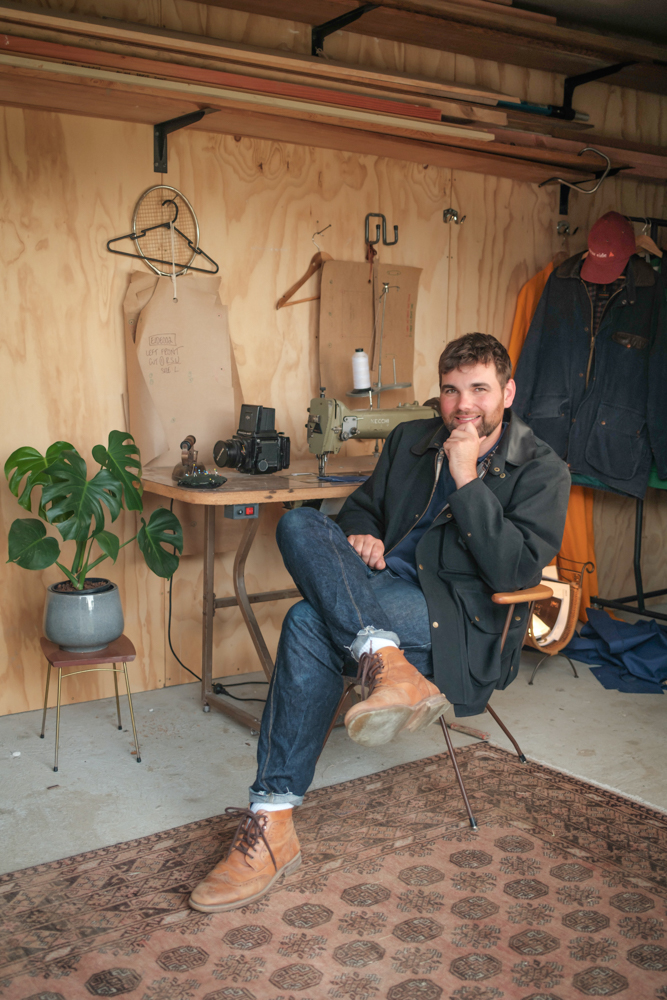
Nikolai Solakof’s lessons learnt
The Power of a Story
If you’re New Zealand-made, you have a story to tell. Find and develop intriguing angles on how it’s made, who makes it and why. For me, it was the 100-year history, being a builder moving into fashion, and flying to Japan to source canvas. It has really been the golden goose in terms of marketing and it’s the one thing the fast fashion brands don’t have – a real story – so you need to take advantage of that.
Don’t Just Sell to Yourself
Sometimes your target market may not be you and your friends. I thought Oscar Eide would be mostly menswear, but it turned out farmers’ wives were lining up at markets. Be brave enough to figure out who actually needs what you’re making and don’t be afraid to explore outside your immediate circle.
Have a Side Quest
You don’t always know what you might be good at. I was a builder who never thought I’d end up in fashion. Don’t get pigeonholed. Think outside the box, give new things a go and you might discover your differentiating factor in an unexpected place. For me, it was realising that building and making clothes use the same skillset, just applied differently. The most important thing is just getting the ball rolling. Lots of people have ideas but never actually start. I could have spent years planning, but instead I just started sewing in my bedroom while working two other jobs. Keep learning, keep moving, and things will eventually snowball into opportunities.
DIY, but know when to ask for help
Making anything in New Zealand isn’t cheap, so you need to run a lean operation. Find critical things to skill up on and do them yourself, for me it was learning to sew, do graphic design and video editing. But know when to ask for help when it’s too far out of your wheelhouse. Finding a good mentor and getting help from family and friends will take you a long way.