The Art of Conscious Living
For Gosia Piątek, the founder of the iconic label Kowtow, life is a delicate and intentional balance between the domestic hum of London and the creative, salt-aired energy of Te Whanganui-a-tara, Wellington.
Words Lucinda Diack
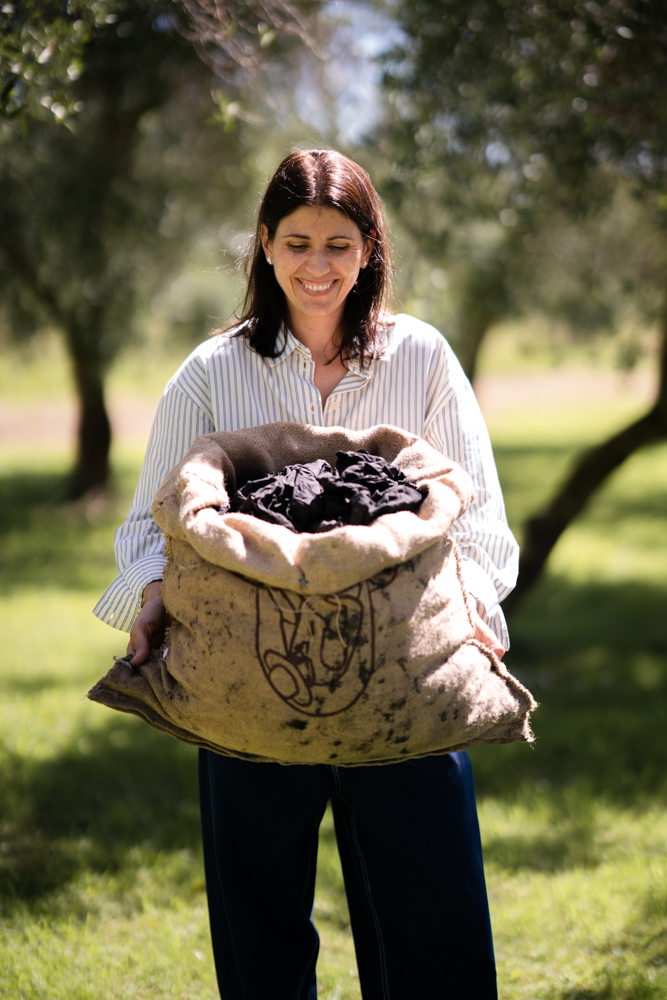
Gosia Piątek’s existence is a testament to the idea that no person is defined by just one thing; she is a mother, a gardener, a designer and a radical business leader. Whether she is navigating the morning school runs in the United Kingdom or collaborating with her team in her Wellington workroom, Gosia embodies a philosophy of ‘the whole person’, where every facet of life – from the dirt in her garden to the drape of a Fairtrade organic cotton shirt – is connected.
Gosia’s story begins far from the minimalist aesthetic of modern fashion runways. In 1985, she arrived in Aotearoa New Zealand as a political refugee from Poland. Escaping a country with locked borders and monitored literature, her parents staged a daring exit under the guise of a ‘car racing club holiday’, eventually spending two years in an Italian refugee camp before being granted asylum.
This early experience of displacement and the search for a better life instilled in Gosia a sense of ‘calculated bravery’ – a trait that would later become the bedrock of her business ethos.
In 2006, at the age of 27, Gosia felt a powerful drive to start her own business. Despite having no formal training as a designer, she was motivated by a profound curiosity about the origins of everyday products. She looked at food, shelter and clothing, eventually settling on fashion as the vehicle for her vision. She didn’t just want to make clothes; she wanted to understand how a necessary product could be created ethically and returned back to the earth without causing harm to people or the environment. This wasn’t a project driven by profit-first logic; it was a ‘solutions provider’ approach to a notoriously polluting industry.
What makes Kowtow stand out in a crowded global market is its unwavering commitment to its values. While many brands have only recently adopted sustainability as a marketing buzzword, Kowtow launched with transparency and Fairtrade practices as its primary objective. Gosia’s first trips to India allowed her to see firsthand the regenerative farming practices she believed in: small lots of organic cotton planted alongside food crops, rain-fed and hand-picked in harmony with Mother Nature.
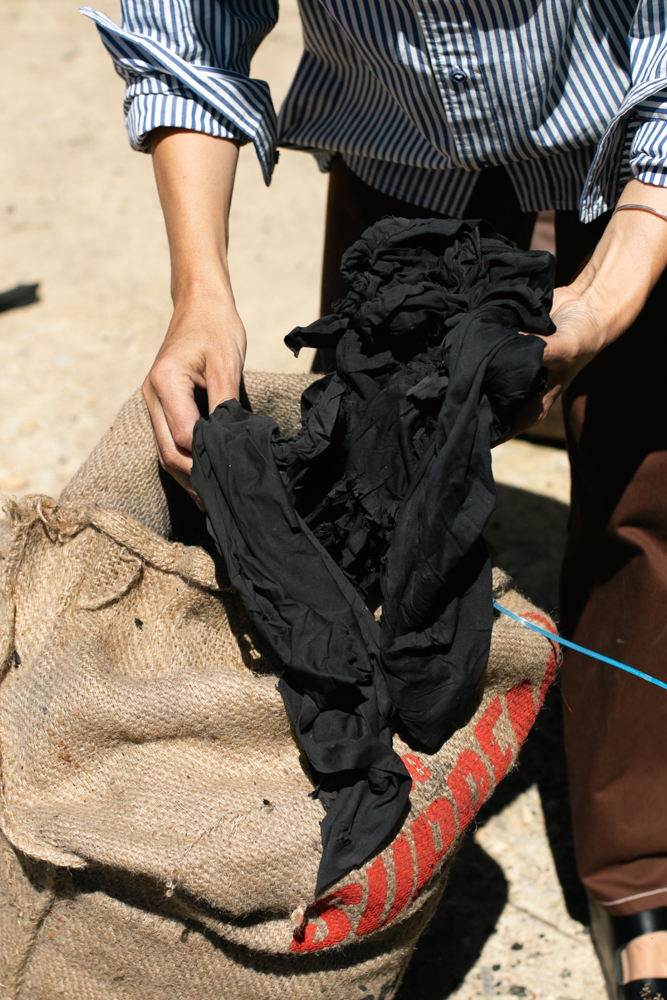
Plastic-free
In 2024, the brand achieved a massive milestone: removing all synthetic elements from its collections. This meant a bold return to 100% Fairtrade organic cotton, even at the cost of discontinuing best-selling cotton/elastane garments. Today, every detail is considered – buttons are made from shells or nuts, elastic is natural rubber and even the sewing thread is 100% organic cotton. This commitment ensures that their clothing is fully circular; it comes from the earth and can safely return to it.
The brand’s mission is now more ambitious than ever. Gosia is driven to make Kowtow a household name not just in New Zealand and Australia, but globally. Setting an audacious goal to replace one million synthetic garments in people’s wardrobes with Fairtrade organic alternatives. ‘I would rather fail than not be brave,’ she says, reflecting on the risks of prioritising the planet over traditional corporate growth.

The Domestic Inspiration
To understand the unique energy of Kowtow, one must look at Gosia’s life outside the workroom. A few years ago, after returning to London from New Zealand, Gosia and partner, film director Thomas Napper, transformed their entire backyard into a giant vegetable patch.
Though initially apprehensive, she now describes it as ‘truly the best thing that’s come into my life. He grows the veges and I grow the flowers from seed. This year we will have zinnias, echanecia, sunflowers, cosmos and sweet-peas. I also have an entire bed dedicated to dahlias which are the most wonderful flowers in the world!’
This rhythmic, seasonal life in London – interspersed with cultural trips to local galleries – fills her ‘cultural bucket’ and informs the minimal, utilitarian and androgynous aesthetic that defines Kowtow. The connection to the soil and the slow process of growing something from seed mirrors the way she views her clothing: as something that requires care, respect and a connection to the natural world.
As Kowtow looks toward the seasons ahead, the focus remains on being the ‘solution in people’s wardrobes’. Gosia and her team continue to push the boundaries of what a modular, ethical wardrobe can look like. The upcoming collections promise to maintain the iconic, oversized and comfy silhouettes that feel like a ‘second skin’, while continuing to innovate in the realm of circularity. By aligning the business with United Nations Sustainable Development Goals and providing free repair programs to keep garments in circulation, Kowtow is proving that fashion can – and must – be a force for good.
-

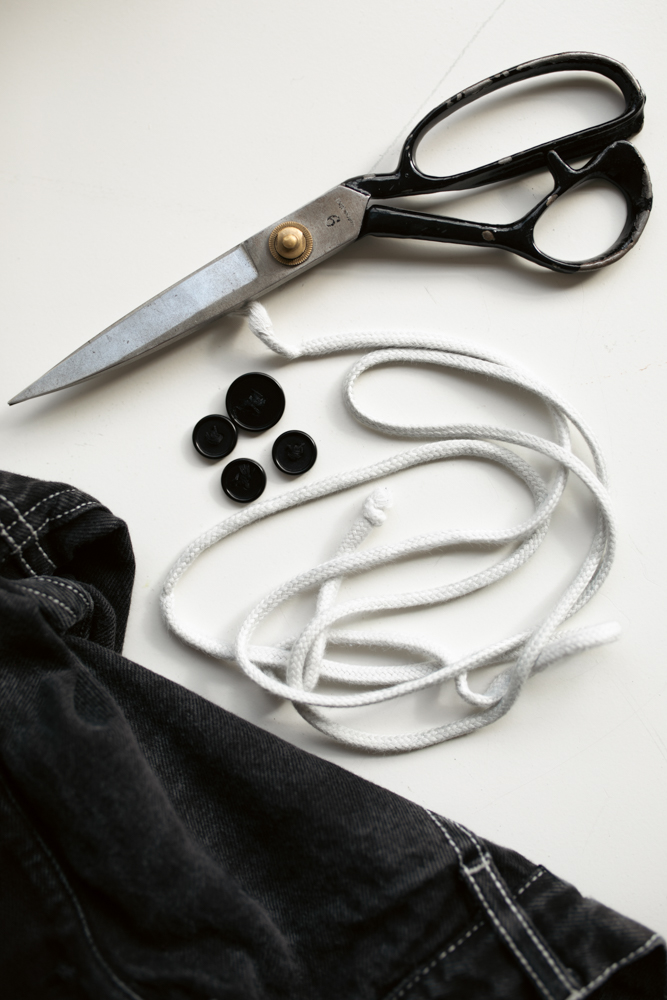
- Every last detail, in every garment, is considered with the environment in mind, including using buttons made from shells, or nuts and using 100% organic cotton sewing thread.
-
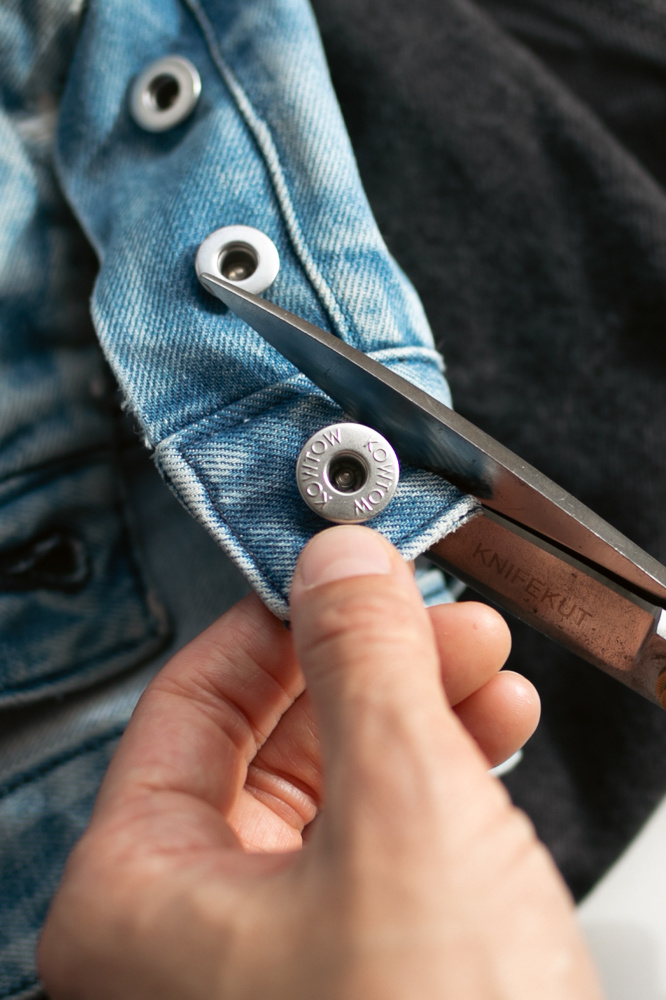
- Denim garments are finished with nickel-free metal tacks, snaps and D-rings, which can be returned to Kowtow and recycled at the end of your garment’s life.

-

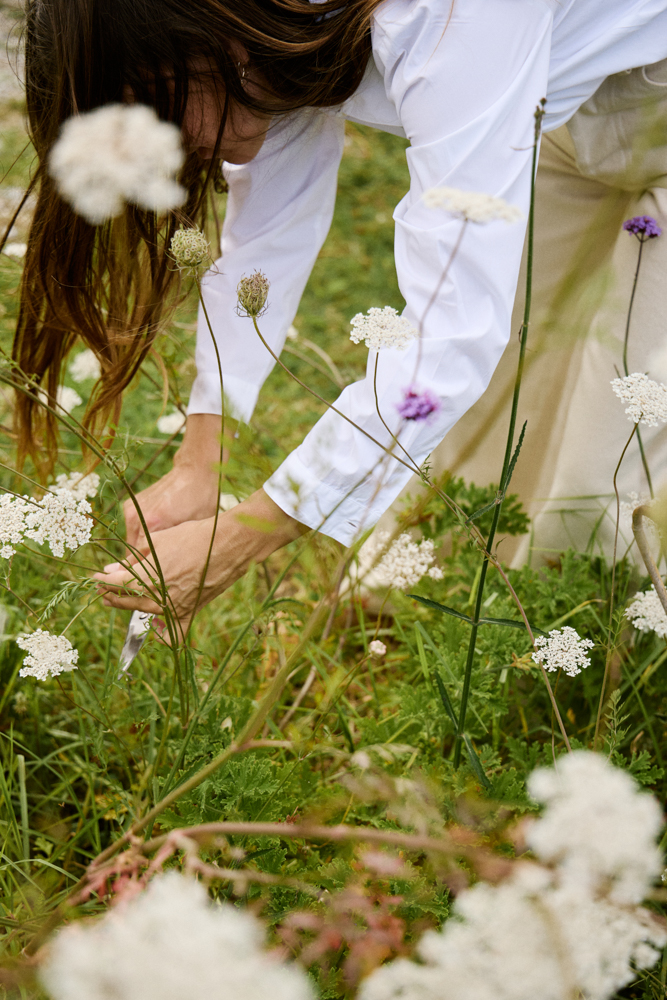
- Gosia describes her garden as ‘truly the best thing’ that has come into her life, unsurprising given nature is her constant inspiration.
-

- Designed with thoughtful details and a relaxed fit the Atelier Trench is best worn layered, with joy

-

- The Ascot Dress, featuring a draped neck tie and curved sleeves.

From Wardrobe to Wellness
The Biochar Breakthrough
In a world-first move for the global fashion industry, Kowtow is transforming end-of-life garments into organic biochar, a regenerative force that turns clothing into a nutrient-rich soil. Kowtow has a revolutionary philosophy to unmake what they have created. The concept of unmaking what has been made ensures the end of a garment’s life is actually the start of a future where fashion restores rather than extracts.
This breakthrough is possible because Kowtow is uniquely placed to return its textiles to the earth in their entirety, as every garment is crafted from Fairtrade organic cotton and is completely free from plastic trims or hardware. Through the Regenerate programme, customers return garments that are beyond repair or resale to the brand. In collaboration with Carbon Options and The Good Carbon Farm, these pieces are placed in a low-oxygen drum and baked at 600 degrees – not burned – into their pure carbon form. The result is a porous, honeycomb-like material that performs ‘reverse mining’ by locking carbon into the ground where it belongs, rather than releasing it as atmospheric emissions. Once blended into the soil, this biochar acts as a powerful ecological tool that helps the earth retain nutrients and water, provides a stable home for beneficial microorganisms, supports underground biodiversity and rebuilds degraded soil structures. This working solution represents a closed-loop, carbon-rich pathway that elevates sustainability into true regeneration.
How to Wear Kowtow
Kowtow is designed to be versatile, practical and incredibly comfortable. Gosia emphasises a modular approach to dressing, where pieces can transition from professional settings to relaxed weekends with ease. Her favourite pieces of the moment are:
The Impression Shirt: A shirt is a must have in any modular wardrobe and right now I’m wearing the Impression Shirt on rotation. I love that I can wear it to work tucked into trousers or on the weekends more sloppy but cool. That same shirt is also ideal for the sun!
The Sculpt Pant: I love styling the impression shirt with the Sculpt Pant. I love stripes and checks together. Every time I wear this outfit people stop me in London to comment! I adore the way Dayne (our Head Designer) designed the trousers with the perfect roomy leg and adjustable waist band domes so you can wear on the hips or higher. For however much dinner you ate!
The Oversized Boxy Tee: A true Kowtow icon that has been in production for years, I have about five in black in various states of wear. A newer one for going out in and faded ones for mooching around the house. These T-shirts are super iconic to Kowtow and we have been making them now for years in various seasonal colourways. They’re oversized and comfy and to be honest, feel like a second skin.