Returning To The Table
Toby and Sabina Stuart are quietly encouraging diners to come back to the table by creating a space for real conversation, rest and connection.
Words Lucinda Diack Photos Ashley Alexander
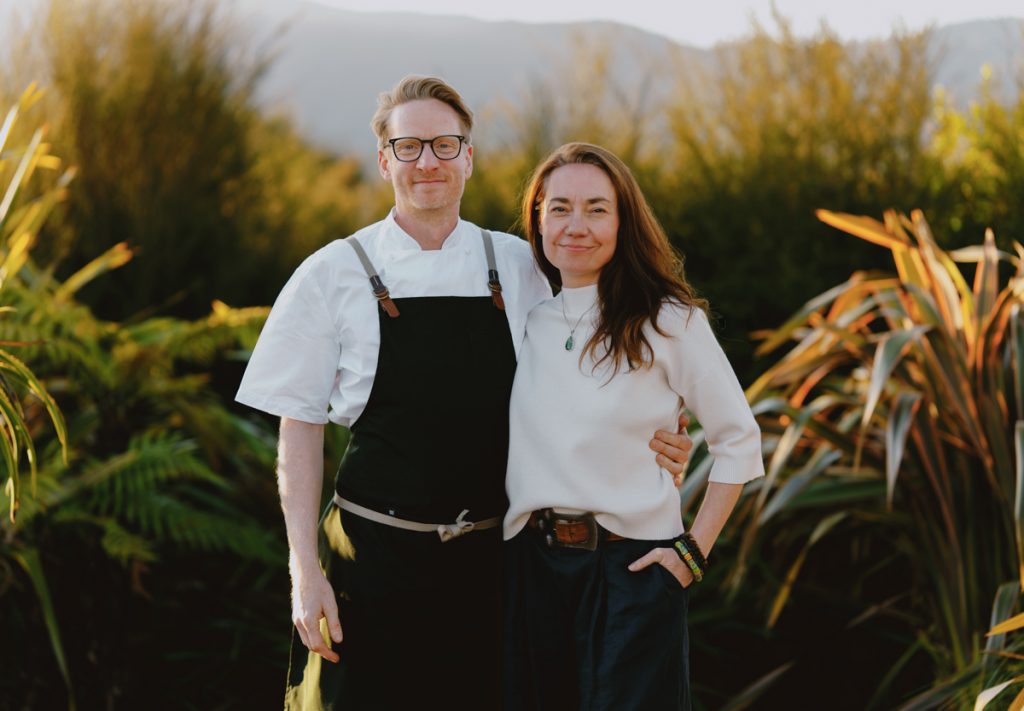
In a world that often feels fragmented and hurried, Toby and Sabina Stuart have created something quietly radical: a place where people are reminded that connection, rest and conversation are not luxuries, but necessities.
The couple’s quiet determination to bring their vision, Domu Retreat, to life, arrived not by way of a single moment of inspiration but rather emerged slowly, shaped by years of work in hospitality, food, movement and travel, and a shared sense that modern life had drifted too far from the simple human rituals that make people feel grounded. Domu, which means ‘at home’ in Polish, reflects both Sabina’s heritage and the atmosphere they wanted to create: not a lodge, not a hotel, but a place where guests feel held, seen and welcome.
Sabina grew up in Poland and left home at 19, intending to spend just a few months in London to improve her English; instead she stayed for more than two decades. Her early training was in ballet, followed by a degree in dance studies, but like many, she found herself drawn into hospitality. For a decade before moving to New Zealand she worked in fine food sales, importing premium ingredients for chefs across Europe, while quietly deepening her personal yoga practice.
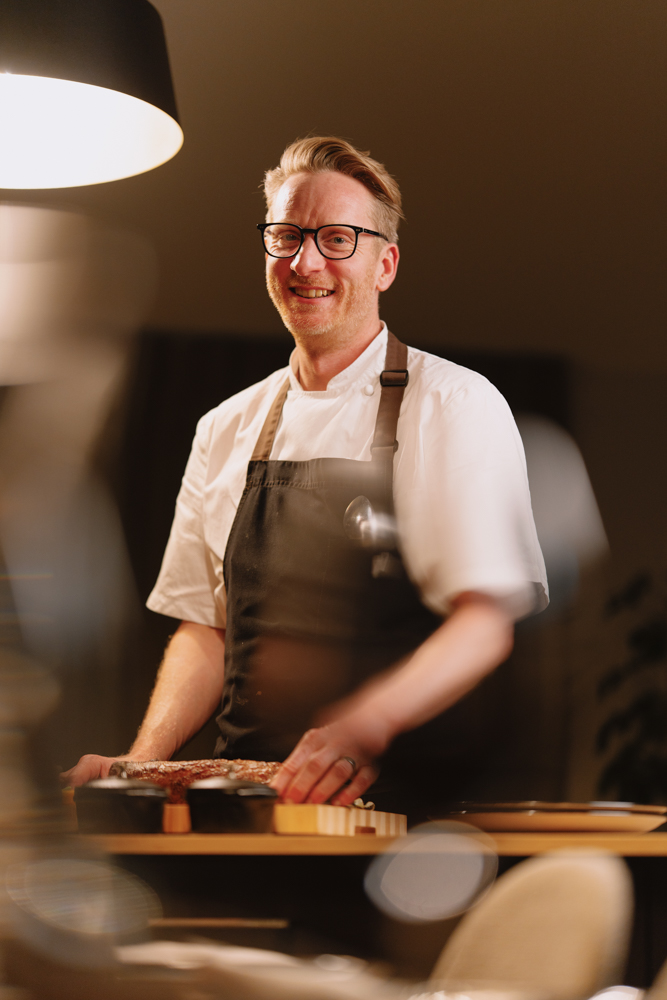
A chef by trade, Toby rose through the ranks of the UK food scene, working in some of London’s most prestigious establishments and Michelin star rated restaurants. Yet for all their success, life in London began to feel constricting. ‘We had everything that a city offers,’ Sabina says, ‘but whenever we needed to connect with nature, it was very difficult. We would have to drive hours to do so, it wasn’t a lifestyle that fuelled us any longer.’
A visit to New Zealand in 2011 confirmed what they had suspected. Here was a country that offered a different rhythm, one where nature was not something you escaped to on the weekend but instead was woven into daily life, so in 2018, after researching several regions, they settled in Marlborough, drawn to the upper South Island for its food and wine producers, proximity to land and sea, and a sense that there was space for something new.
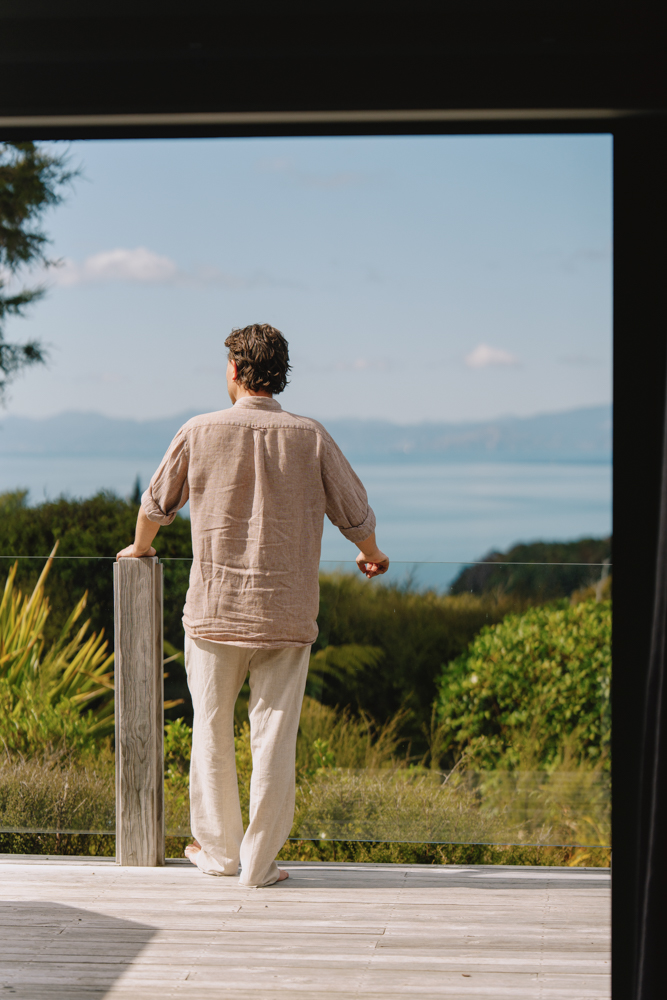
From the beginning, they knew they wanted to do more than open a restaurant. ‘We always wanted to extend hospitality beyond the meal,’ Sabina says. When they found the ridge-top property in Tasman that would become Domu Retreat, it already held the bones of their vision: a functional kitchen, space for yoga, and sweeping views of mountains and ocean.
While on the outside Domu might appear as a high-end boutique – it is much more. It is a destination fuelling our need to connect and gather. For Toby and Sabina, the act of gathering is not incidental to wellbeing; it is central to it.
They believe it is quietly shaped by the everyday opportunities people have to feel heard, recognised
and connected.
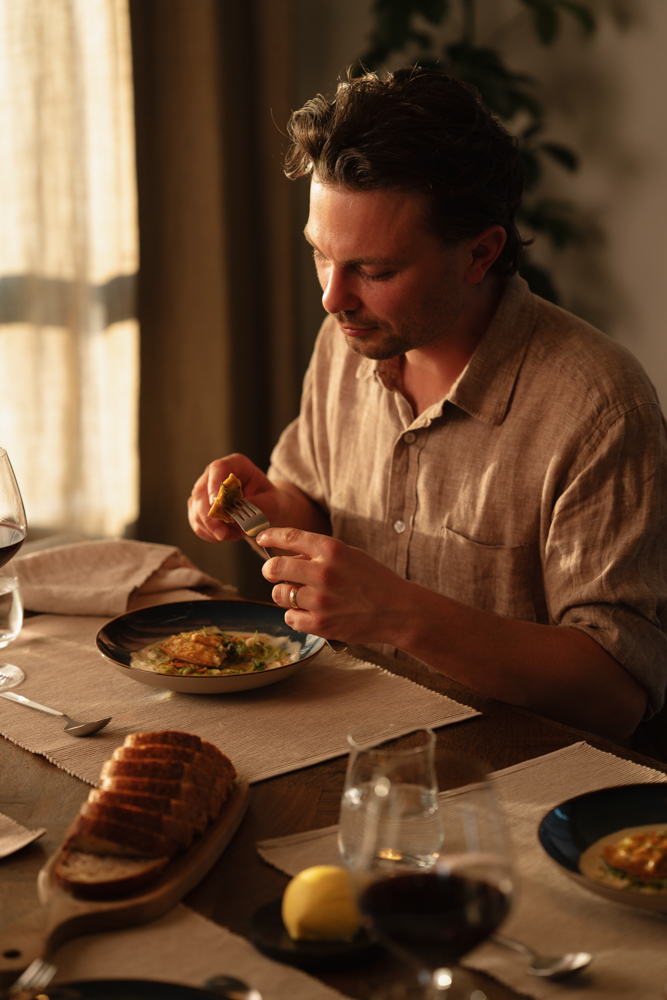
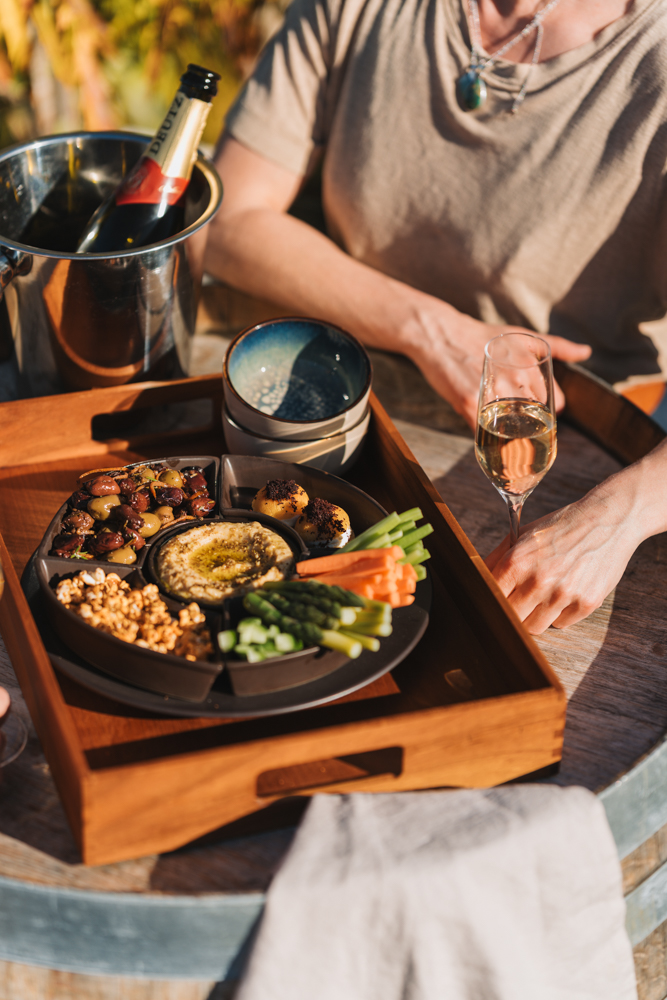
‘It isn’t about forcing interaction,’ Toby says, ‘rather, we want to create a space where these moments can happen naturally.’ Hence guests are invited to sit together and share a meal. ‘Food opens conversation, and conversation opens our hearts and minds,’ says Toby.
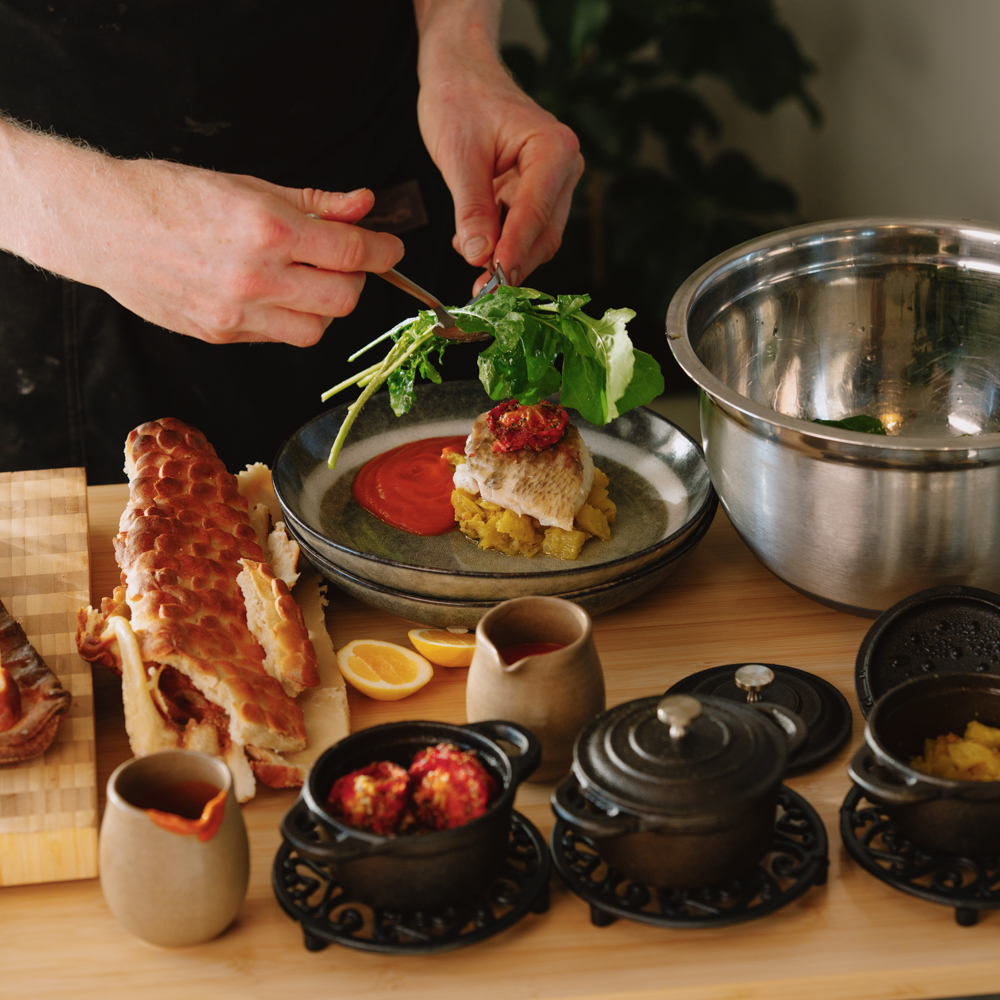
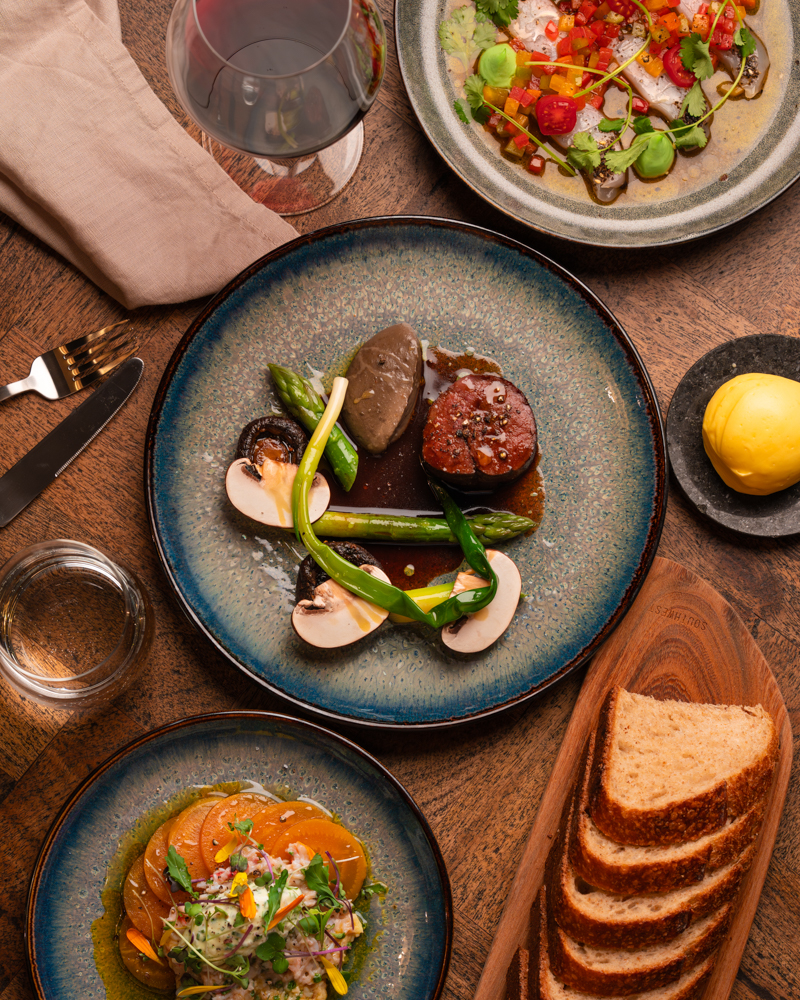
Toby’s cooking is ingredient-led and intentionally uncomplicated, drawing on seasonal produce and local suppliers. Dishes are finished and served at the table, not as a performance but as an invitation to engage with what is on the plate. ‘For us, connecting with local producers and sharing the story of the ingredients that are being consumed is really important – not only do we as humans need to build connection with each other, but with what and how we are eating.’
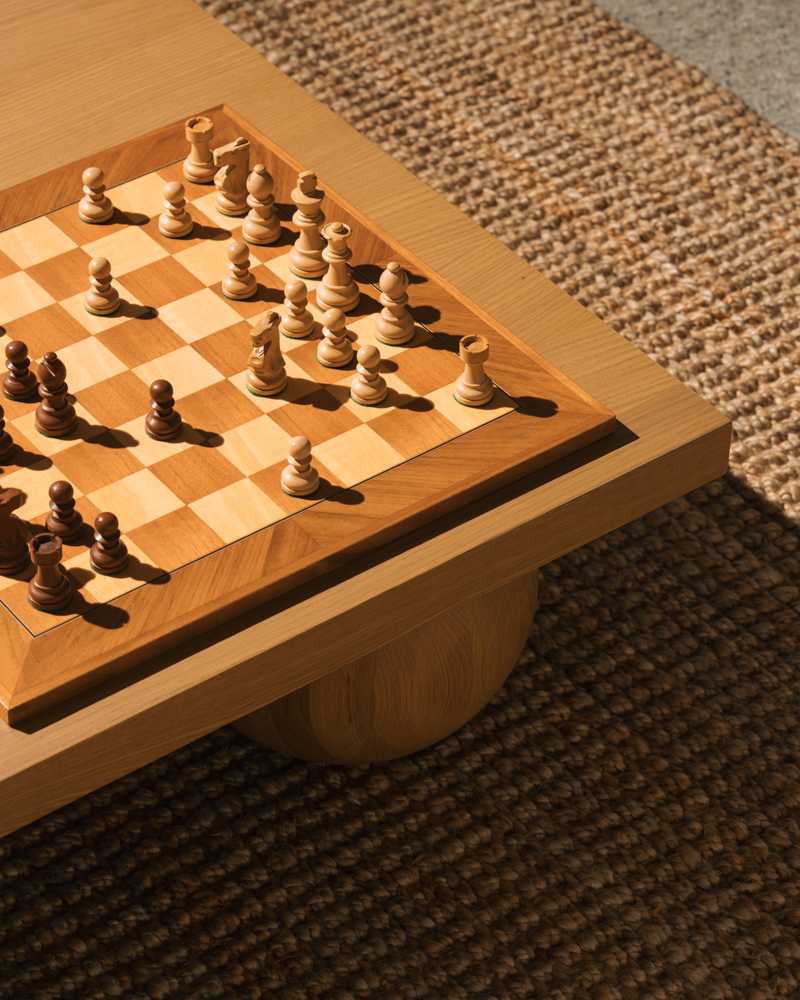
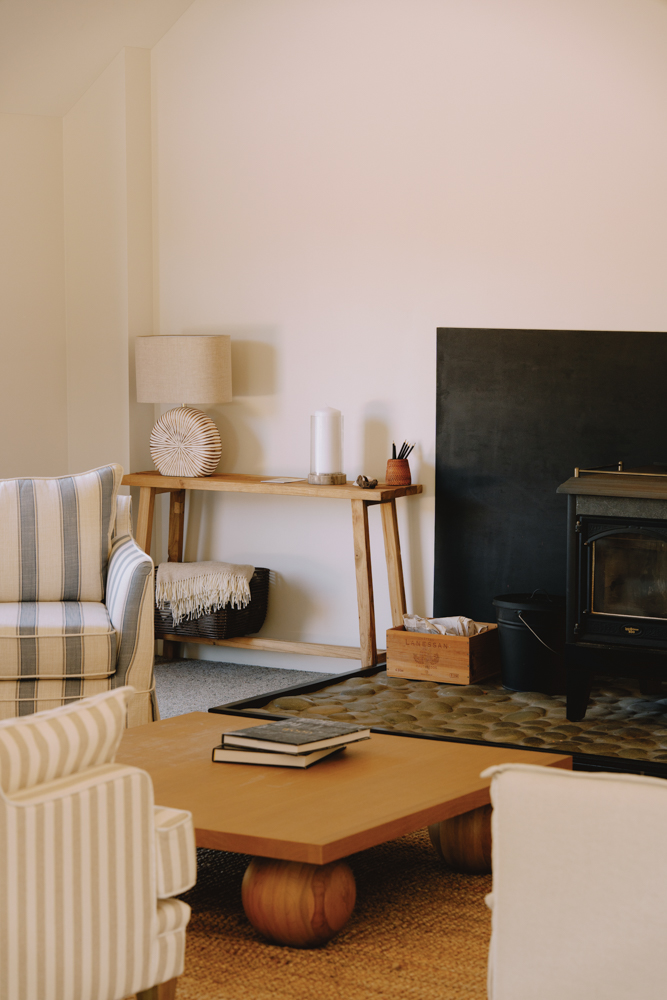
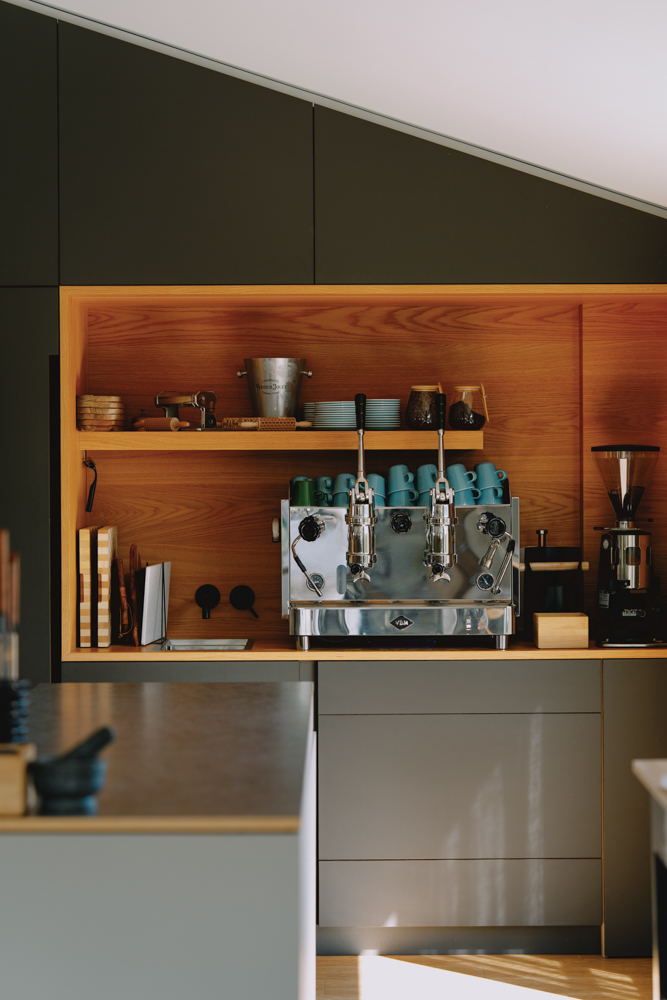
The result is food that feels both elevated and familiar, generous without being showy. For Toby, this approach is also a quiet resistance to a culture obsessed with content and documentation. ‘We shouldn’t be reaching for our phones immediately and putting a barrier up,’ he says. ‘We should just absorb the real experience.’ It is about putting the phone away and coming back to the table – with friends, family and strangers to engage in the art of conversation and find moments of joy.
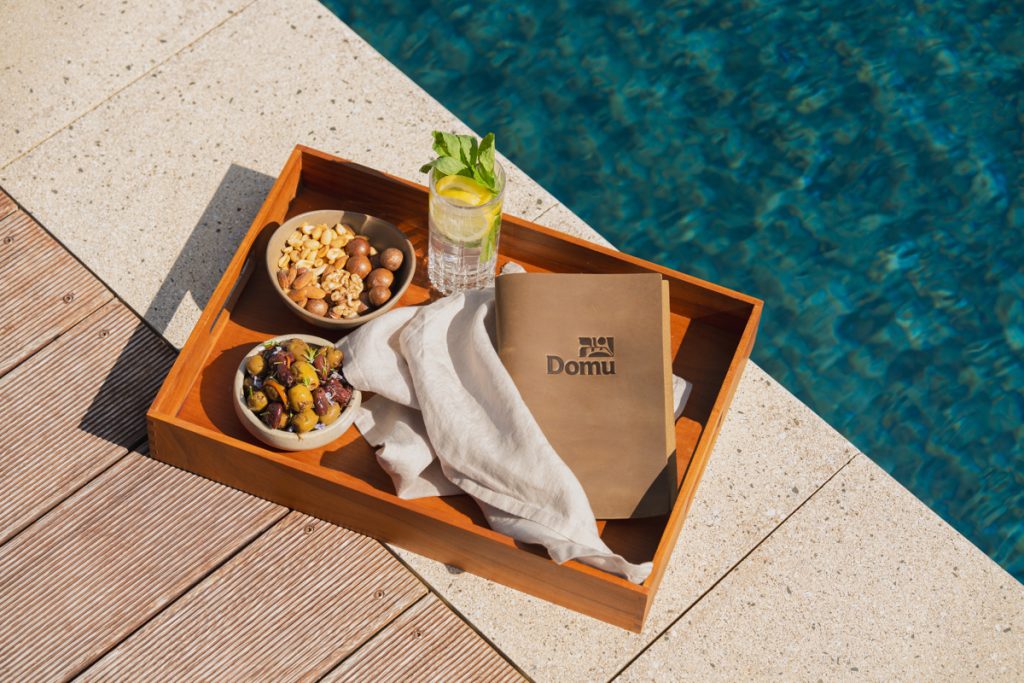
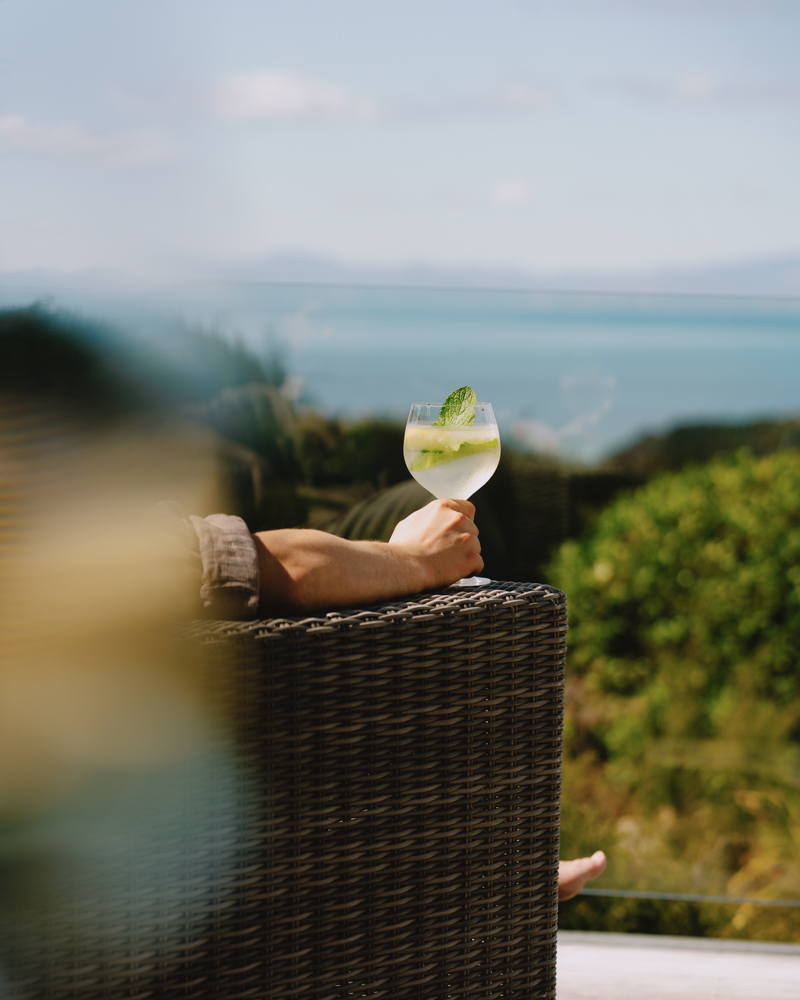
Sabina sees these moments as a counterbalance to the isolation many people experience, even when they are constantly connected online. ‘Modern life doesn’t leave much room for sitting still,’ she says. ‘Even when we’re resting, we feel guilty.’ Hence they are intentionally striving to create a space where lingering is encouraged. Whether that is sitting by the pool with a cocktail in hand for hours on end or an early morning yoga session.
Quite simply, Domu is the embodiment of their way of life. An understanding of how important the here and now is and their desire to encourage others to see that. ‘It is the conversations, the experiences, the memories, that matter in the end,’ says Sabina. ‘All the other stuff falls away; we want to remind people of this.’
While there are no TVs at Domu, it is not anti-technology, for those who wish to work poolside or have their phone, there is no judgement or requirement to put it away. Board games, books and long conversations however quickly become favoured. ‘We are trying to hold a space,’ Toby explains, ‘for genuine human connection.’
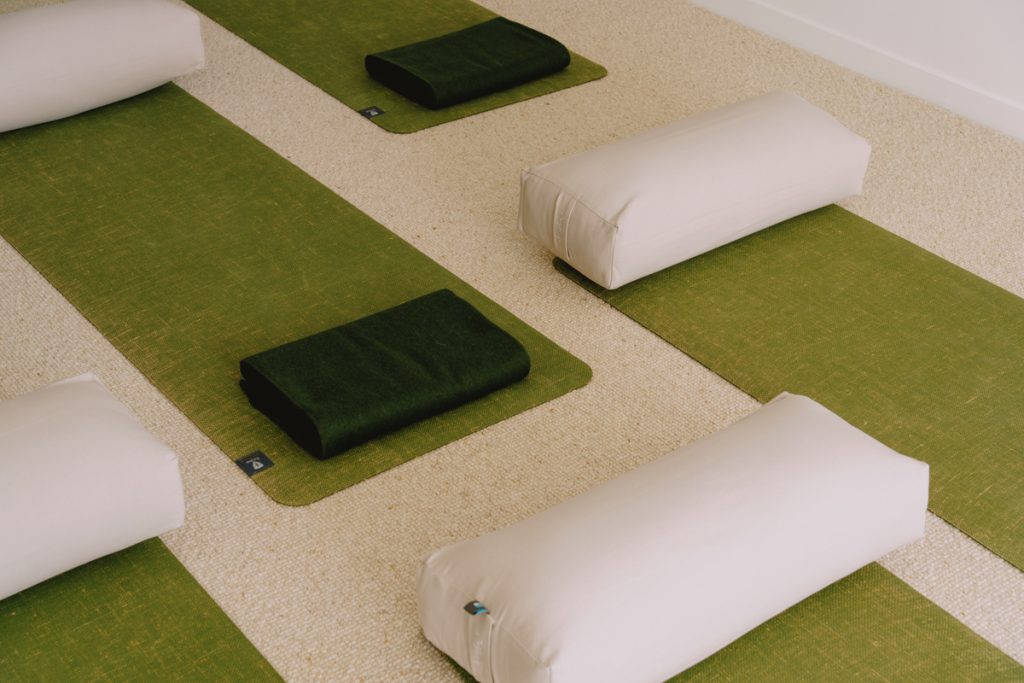
Yoga, led by Sabina, is another invitation rather than a prescription. Many guests arrive insisting it’s not for them – only one so far has resisted Sabina’s charms to give it ago. ‘Yoga is really just presence and breath,’ she says. ‘You don’t need to touch your toes.’ Her sessions are adapted to the individual, whether that means chair-based movement or a more dynamic practice. The intention is not transformation but awareness. ‘When you slow down,’ she says, ‘your body tells you what it needs.’
The conversations that unfold around the table are as varied as the guests themselves, spanning generations, professions and viewpoints. ‘We want there to be space to talk about what’s going on in the world,’ Sabina says, ‘and to listen to one another.’
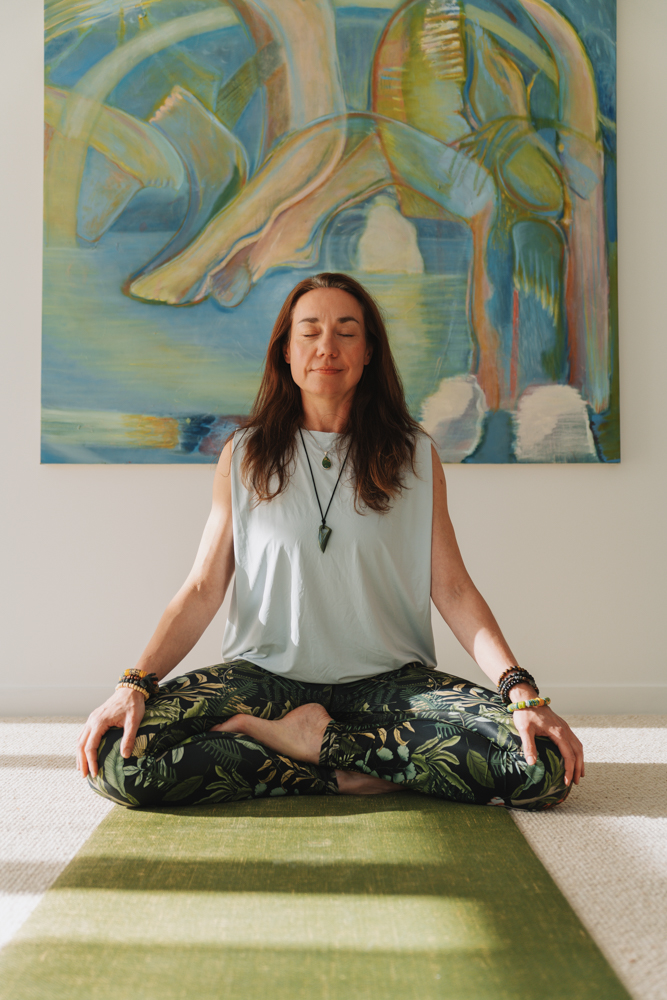
Slow Stays with Toby and Sabina Stuart
Our bodies and minds are the only true wealth that we have. Imagine losing the ability to use either of them. Now decide how much of your effort to look after them they deserve.
- – Swap creating content for presence. When you are really in the moment, you don’t need anyone else to witness your experience or to validate it with their opinion of it
- – Stay away from processed food. Don’t let the packaging and branding fool your brain that you need any of it. Opt for simple natural ingredients
- – Read a book, not just screens
- – Make an effort to connect with nature in any form that is available to you. Sit in a park for 10 minutes, look at trees, listen to birds. That helps to reset your nervous system
- – Move your body. You don’t have to carve out two hours for gym, every 30 minutes, get up from your desk, open a window, do some squats, knee lifts, stretches, anything that feels good. You are keeping things from getting stagnant, bringing fresh oxygen
- – Talk to and laugh with other people. Even with strangers, exchanging genuine kind words, bringing joy to others creates a sense of joy in ourselves
- – Most importantly, don’t let ‘perfection’ stop you from doing ‘good’. Slow down a little to notice what you have, the real richness of your life. Your mind and body, other people who care for you, and love.