Designed to Move
Why shifting your focus from aesthetic goals to strength training can help you reclaim your energy, protect your long-term health and thrive through hormonal transitions and beyond.
Words Lucinda Diack
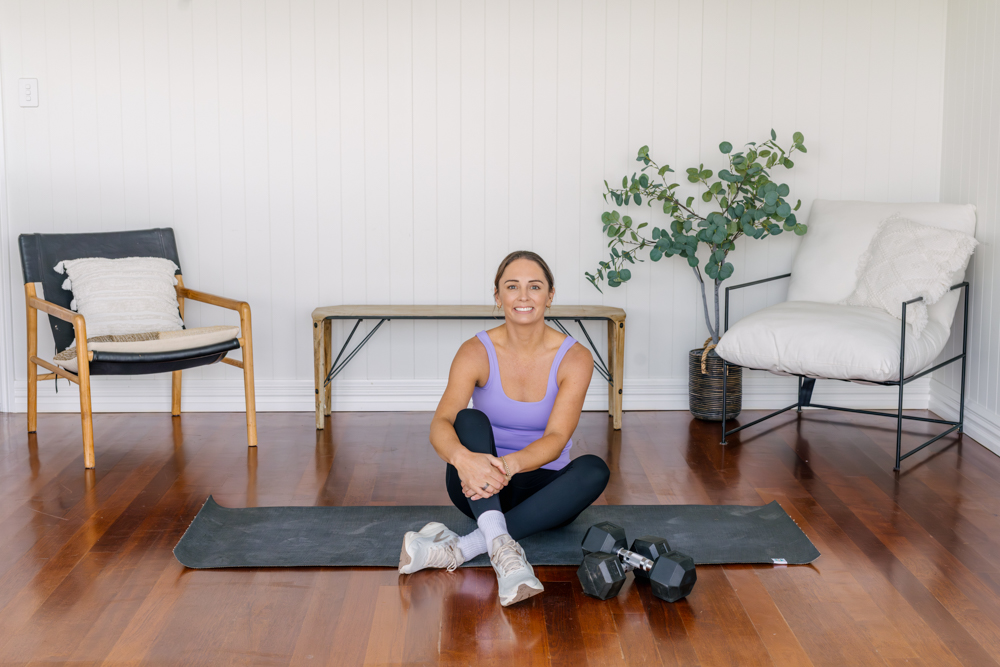
For many women in their 40s and beyond, the traditional approach to fitness has started to lose its appeal. It often feels less like a path to wellness and more like an added chore to an already overwhelming to-do list. When that 5am alarm leads to exhaustion rather than energy, it is time to reassess.
As women enter perimenopause and menopause transition, the body undergoes a significant shift. Hormonal changes, specifically the decline of estrogen – a hormone that supports muscle growth, bone strength and insulin sensitivity – can make traditional styles of training feel depleting. ‘We lose strength, we lose power, we lose speed,’ explains Kate Ivey, founder of the fitness platform DediKate and passionate women’s health advocate. ‘Strength training is one of the best things we can do for our health. Muscle is the key to longevity and the key organ to health.’
This shift in perspective is gaining traction in the scientific community, where strength training is increasingly referred to as ‘muscle-centric medicine.’ Research, including work by Dr Stacy Sims, highlights that strength training is essential not just for physical capability but for bone density and brain health.
‘The emerging science of muscle-centric medicine is redefining our understanding of longevity, positioning skeletal muscle not just as a tool for movement but as the key organ for overall health,’ continues Kate. Far from being merely aesthetic, maintaining muscle mass is critical for metabolic stability; it serves as a powerful buffer against chronic conditions including type 2 diabetes and cardiovascular disease. Perhaps most compelling is the growing body of research highlighting the direct link between strength, muscle preservation and brain health, suggesting that resistance training may even play a pivotal role in reducing the risk of Alzheimer’s. ‘The realisation is simply that ageing doesn’t have to be a passive slide into decline.’
For those navigating hormonal transitions, Kate suggests a ‘train, don’t drain’ philosophy. While she notes that perimenopause is a critical window to build the foundations for the future – ‘we have this window between the ages of 35 and 45 where we can really lay those foundations and set ourselves up’ – it is never too late to start. ‘Muscle tissue remains responsive to the right stimulus at any age. Our bodies are designed to move and adapt, and whether you are in your 40s or your 80s, strength training offers a path to regaining capability and independence.
‘If you change nothing else but you start strength training today, you are going to increase your health and your independence exponentially.’
At 41, Kate admits that her previous fitness habits were simply adding to her stress and fatigue. ‘It wasn’t serving me,’ she reflects. ‘I’ve really changed my own mindset away from exercise being something that you do to flog yourself, to exercise being a tool to support me in my life.’
One of the most persistent barriers women face when considering weightlifting is the fear of ‘getting bulky.’ Kate is quick to dismiss this. ‘It is so hard in perimenopause and beyond to put on muscle,’ she notes. ‘The last thing we need to be worried about is getting bulky. If bulky becomes an issue, that is a great issue to have, but it is near impossible without a very specific, dedicated training and nutrition program.’
True wellbeing in midlife requires looking at the person as a whole. Like many others, this has seen Kate explore mindset training to complete the physical training. ‘Wellbeing isn’t just about what you do physically; it’s about nutrition, the nervous system and the internal dialogue you carry. We need to be looking at the person as a whole, not just their strength, but their nutrition, their mind, their central nervous system.’
Getting started doesn’t require a commercial gym membership or heavy equipment. Beginners can start with bodyweight or simple kitchen items like tinned tomatoes, focusing on functional movements that translate to real-world tasks. The goal is consistency over intensity, Kate recommends two to three, 20-to-40-minute sessions a week.
By prioritising strength over the aesthetic goals of the past, exercise becomes a sustainable support system rather than a drain on our resources as we navigate hormonal transitions and even daily stress. ‘Strength training isn’t about looking a certain way; it is about feeling capable, strong and prepared for the years to come.’
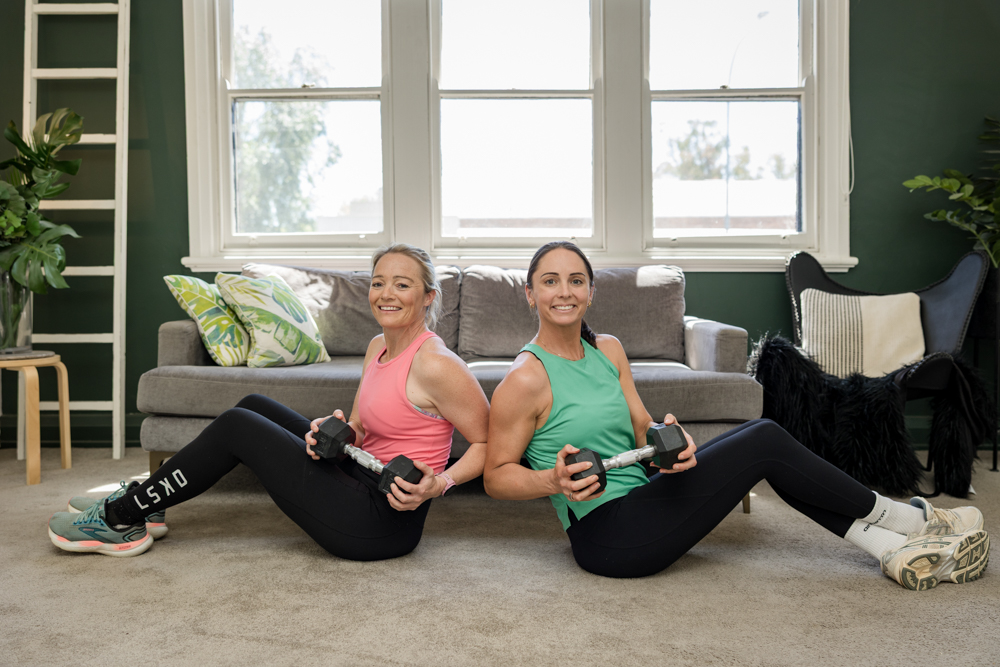
Top 5 Strength Moves With Kate Ivey
These functional movements form the backbone of Ivey’s approach. They are simple, effective and designed to help you maintain independence and strength for daily life.
Squats: A fundamental movement for lower body power and hip stability, essential for everything from gardening to getting out of a chair with ease.
Romanian Deadlift: Great for targeting the posterior chain (hamstrings and glutes). These improve your ability to hinge and lift items safely from the ground.
Shoulder Press: Essential for upper body strength and shoulder health, helping you reach overhead with confidence.
Double Dumbbell Row: Targets the upper back and improves posture, counteracting the ‘slump’ that can come from long days at a desk or behind the wheel.
Chest Press: Builds pushing strength in the chest and triceps which is critical for upper body functionality and bone health in the upper body.
Hot tip – Aim to work until you have only 1-3 reps in reserve. If the movement feels too easy, it’s time to increase the challenge.
For more from Kate visit kateiveyfitness.com