Beneath the Surface
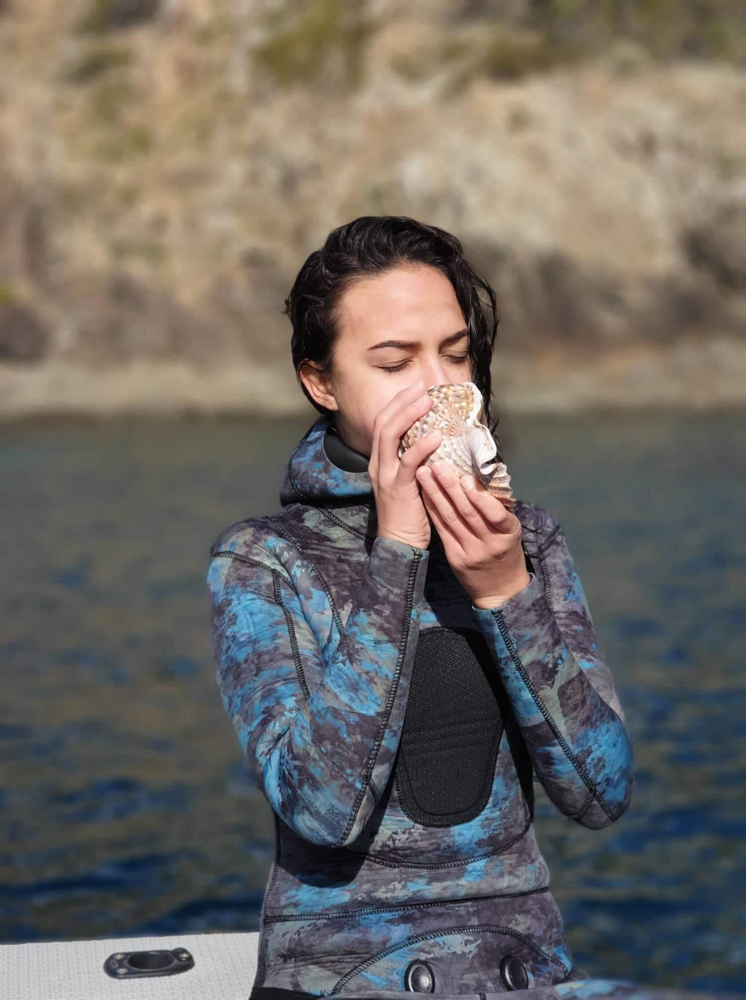
For speech therapist Renee Taylor, food is more than fuel; it is culture, memory and dignity. After leaving the public health system to reconnect with her heritage, she discovered that the ocean’s calm offered the ultimate cure for a weary soul.
Words Lucinda Diack
-
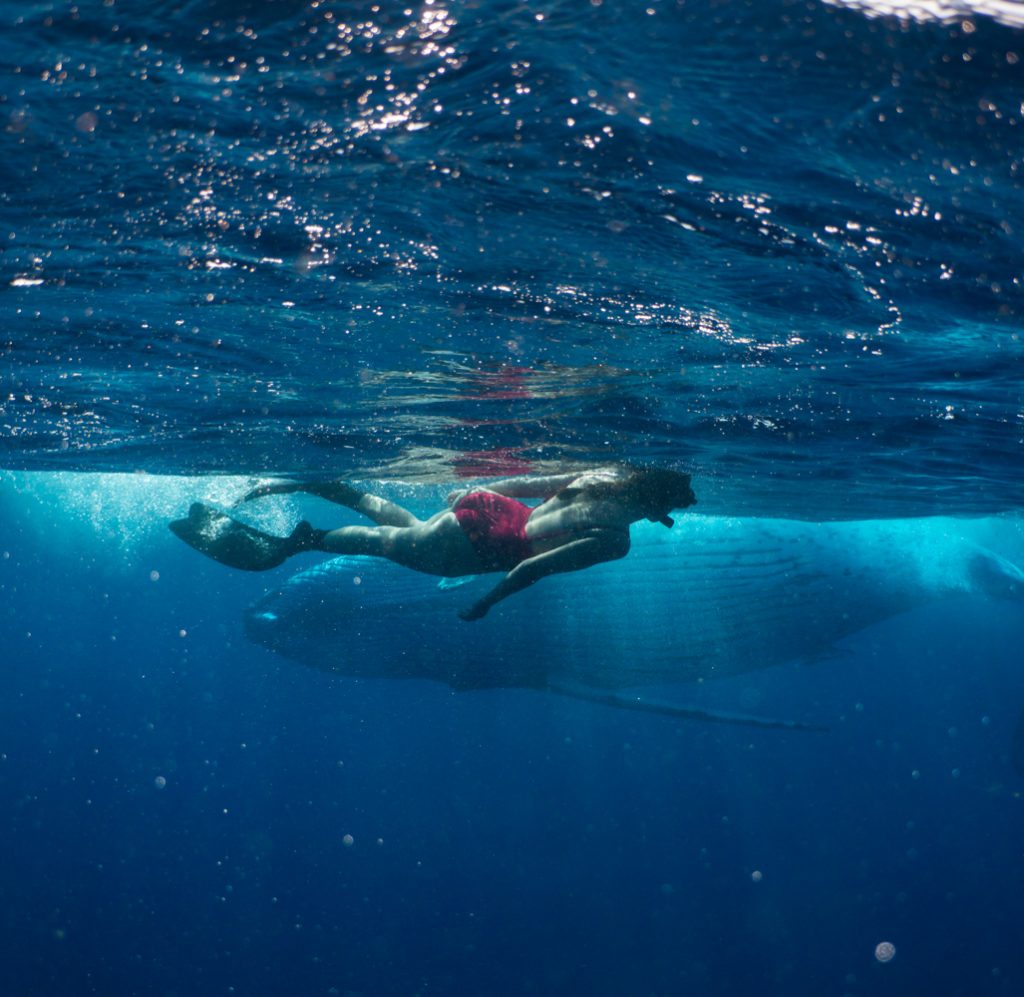
- Photo Ben Savage
Renee Taylor was raised in Auckland, far from the salt and swell that now shape her days, in a family that was not especially outdoorsy. Her early life was urban, busy and practical, and for a long time the sea was something observed from the edge rather than entered. Even her sense of identity felt partial. She knew her Albanian heritage through her mother and her Pākehā upbringing, but her Māori whakapapa sat quietly in the background, something she felt unsure of and, at times, embarrassed by. ‘I was completely disconnected from my Māoritanga,’ she says. ‘That’s a really common story, especially for wāhine, but back then I thought I was the only one.’
By profession, Renee is a speech and language therapist, specialising in swallowing disorders. Her work takes her into hospitals, aged care, community health and palliative care spaces, supporting adults living with stroke, progressive neurological conditions and end-of-life care. For a long time Renee found working in the public sector was meaningful and purposeful, but it carried weight. ‘You’re dealing with people at the worst points of their lives,’ she says. ‘And you don’t always realise how much that takes from you until you’re already burnt out.’
In her early-thirties, the accumulation of pressure came to a head. Renee quit her hospital roles, stepped away from the systems she felt were failing both clinicians and patients, and began working privately. At the same time, she started the long process of reclaiming her Māori identity, learning tikanga, language and history that had not been available to her growing up. ‘It was healing,’ she says, ‘On so many levels.’
It was during this period of upheaval that the ocean entered her life in a new way. While she had always enjoyed swimming, it was an activity mostly undertaken in pools, rivers and the shallows of Kiwi beaches. The open water hadn’t really featured. ‘I didn’t know that the ocean was what I needed,’ she says. ‘I just knew I needed something for myself.’
Renee tried scuba diving first, but found it loud, restrictive and disconnected from the environment she wanted to be in, so at the suggestion of a friend she gave freediving a go. ‘I didn’t think it would be for me, as at that time freediving was very male dominated and heavily connected with spearfishing, which was something I had no interest in at the time. I thought it was barbaric. I wanted to be in the water to see the fish.’
-
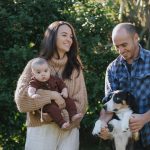
- While motherhood has seen Renee spend more time on firm ground than underwater, she is supported by finance Jules and is drawing on her clinical background and mātauranga Māori to develop tools to measure changes in wellbeing before and after ocean experiences
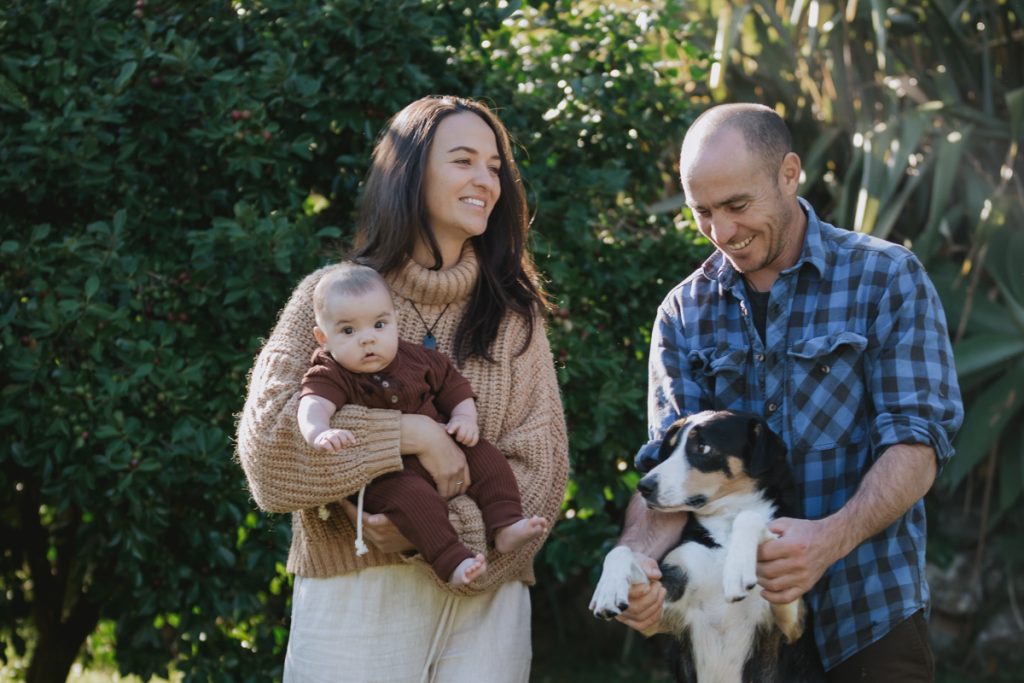
However over time, her understanding shifted. She began to see spearfishing as the most ethical and selective way to gather kaimoana when done with care and respect. ‘You become so connected to that space,’ she says. ‘It completely changes how you think about food and food sovereignty.’
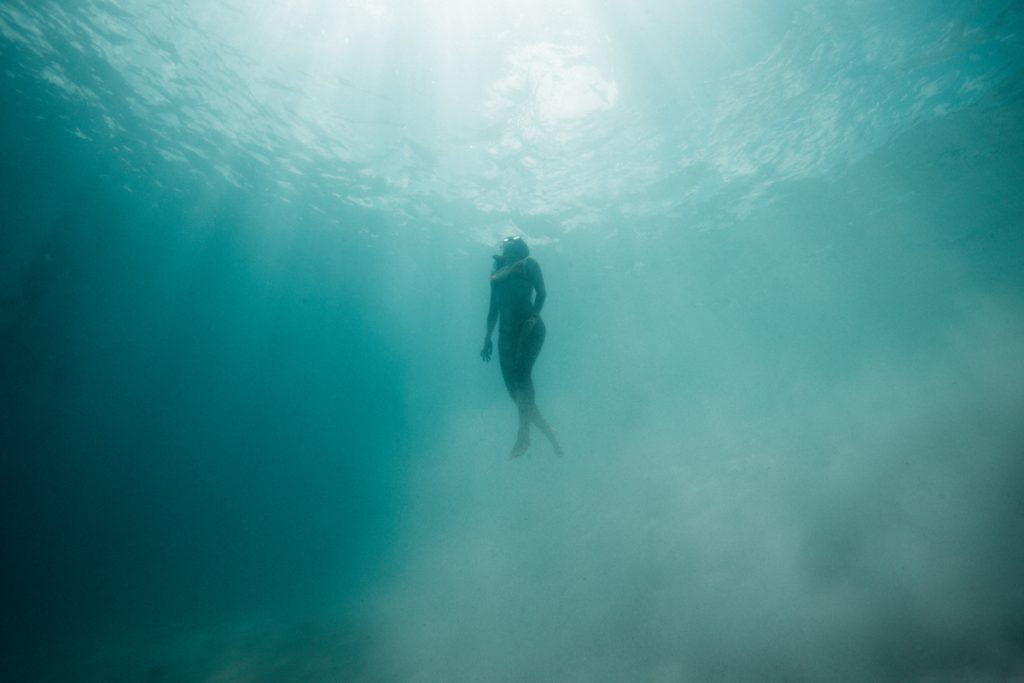
Learning to freedive properly was a turning point. The discipline of breath, the requirement to be present, and the quiet that settled once she was underwater offered Renee something she had not found elsewhere. ‘All the internal chatter just stops,’ she says. ‘It’s like the ocean turns everything off.’ That calm became a form of nourishment, a way to process the burnout, unhealthy relationships and identity questions she had been carrying for years.
Calm became a form of nourishment, a way to process the burnout, unhealthy relationships and identity questions she had been carrying for years.
Alongside this growing connection to the ocean, Renee never fully left her work as a speech and language therapist. While she stepped away from hospital systems, her clinical practice continued privately, with a particular focus on kaumātua (older generations). Her specialty in swallowing disorders brought her face to face with the reality that food is not simply fuel, but dignity, identity and connection. ‘When someone can’t eat or swallow safely, their whole wellbeing is impacted,’ she says. ‘Food is medicine, but it’s also culture, memory and care.’
For Renee, caring for the environment is inseparable from caring for people. She speaks carefully about harvesting, restraint and responsibility to the ecosystems that sustain us. ‘You can abuse any environment,’ she says. ‘But when you’re underwater, when you’re part of that world, it changes how you behave. You don’t want to take more than you need.’
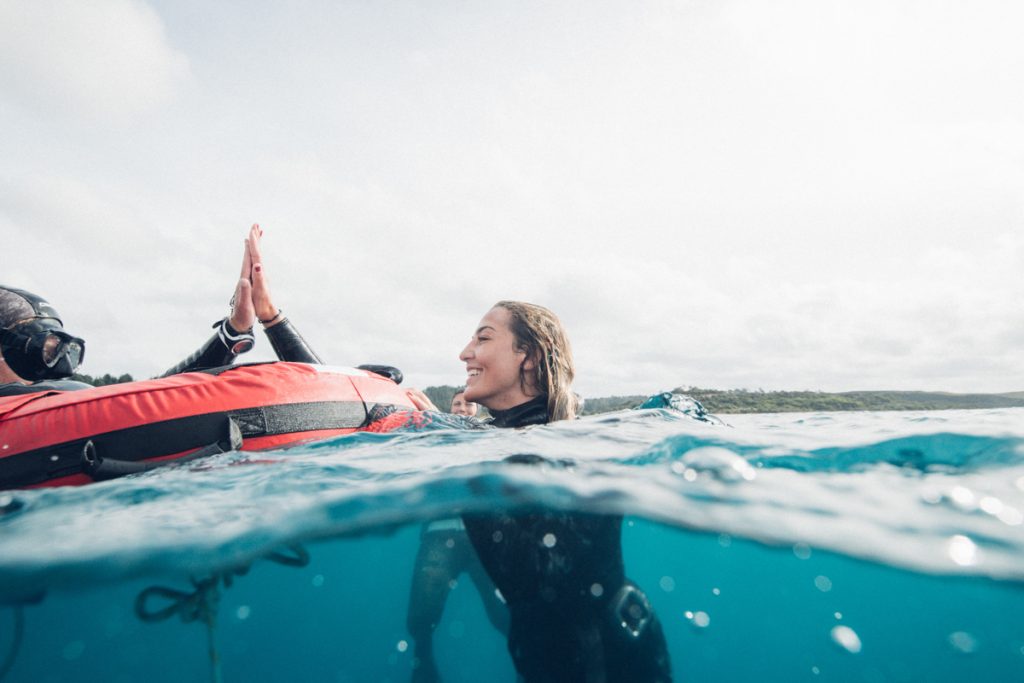
Like many in the digital age, in 2019, Renee began to share her journey online, documenting her experiences in the water. ‘It began as a passion project to inspire more wāhine to get into all things diving, as there were so many men out there doing it but very few women freediving. My inbox started to fill up with women reaching out to say they had always wanted to do freediving, but didn’t know how. Many described feeling intimidated by male-dominated dive spaces, unsure where to begin or whether they belonged at all. Even walking into a dive shop can feel like a barrier,’ says Renee. ‘There are so many invisible walls.’
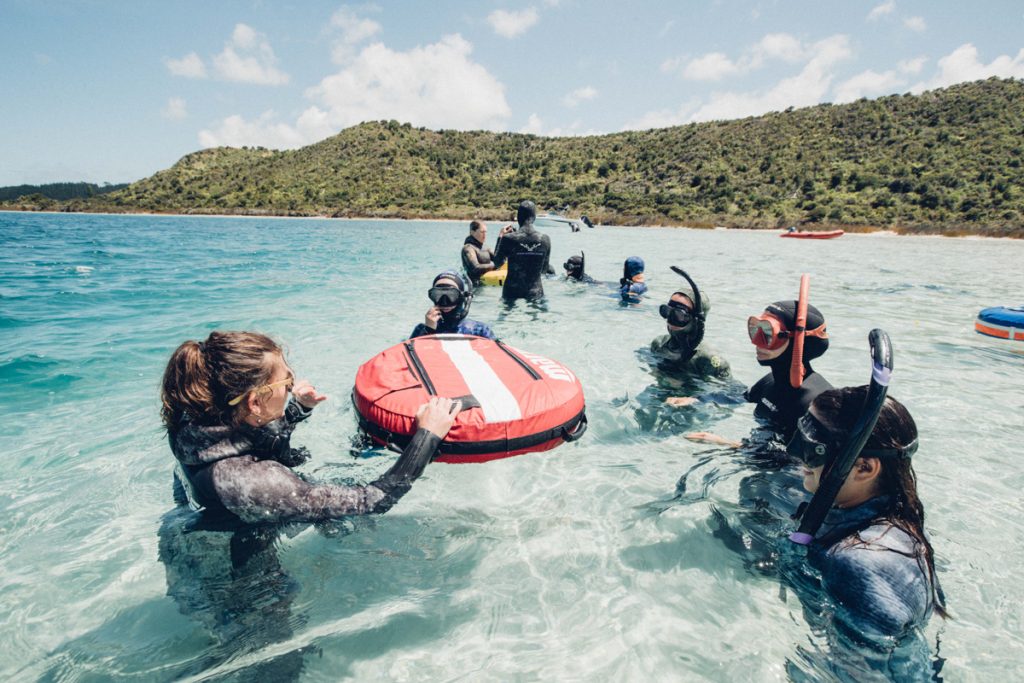
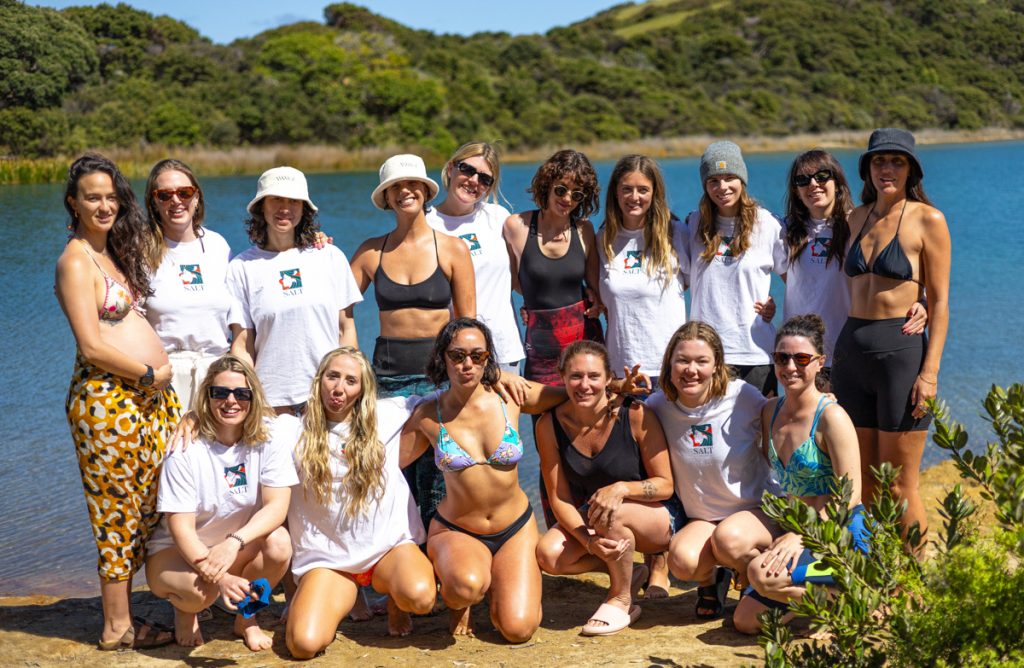
Her online presence, Salt Aotearoa, grew organically from these conversations and by 2021 had evolved into a thriving community with group diving sessions and Freedive Camps being run. Since then, Renee and her ‘Salt Crew’ have collaborated with Water Safety NZ to host events and courses, becoming Adventure Tourism Certified and in 2025, Aotearoa’s second fully registered independent freedive centre.
-
- While she initially started sharing her diving experiences online, Renee was inundated by other women reaching out wanting to give free diving ago. Photo Amber Jones
-
- The result was the development of Salt Aotearoa, which allowed her to break down the perceived male-dominated barriers of the industry and provide a safe space for women to dive beneath the surface. Photo Amber Jones
-
- A space that has grown into a thriving community and immersive group experience offering, that provides much more than a skill set to learn, but a place in which to fuel your mind, body and soul. ‘It has become a vessel for healing.’
-
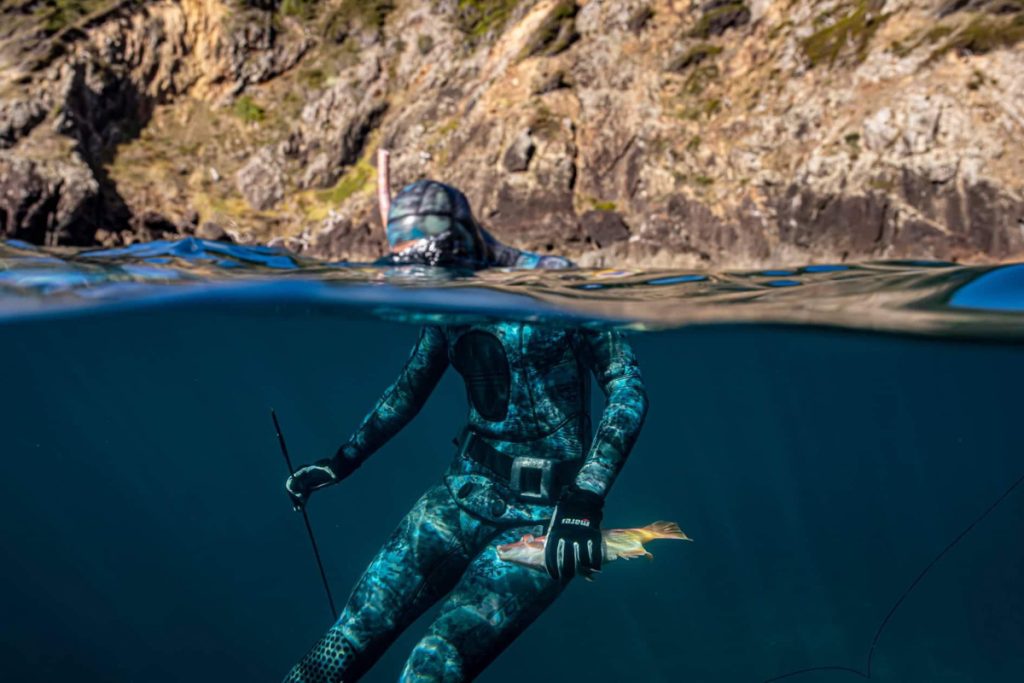
- Spear fishing and free-diving has become a way of life for Renee Taylor; having discovered a sense of calm and nourishment that she never expected.
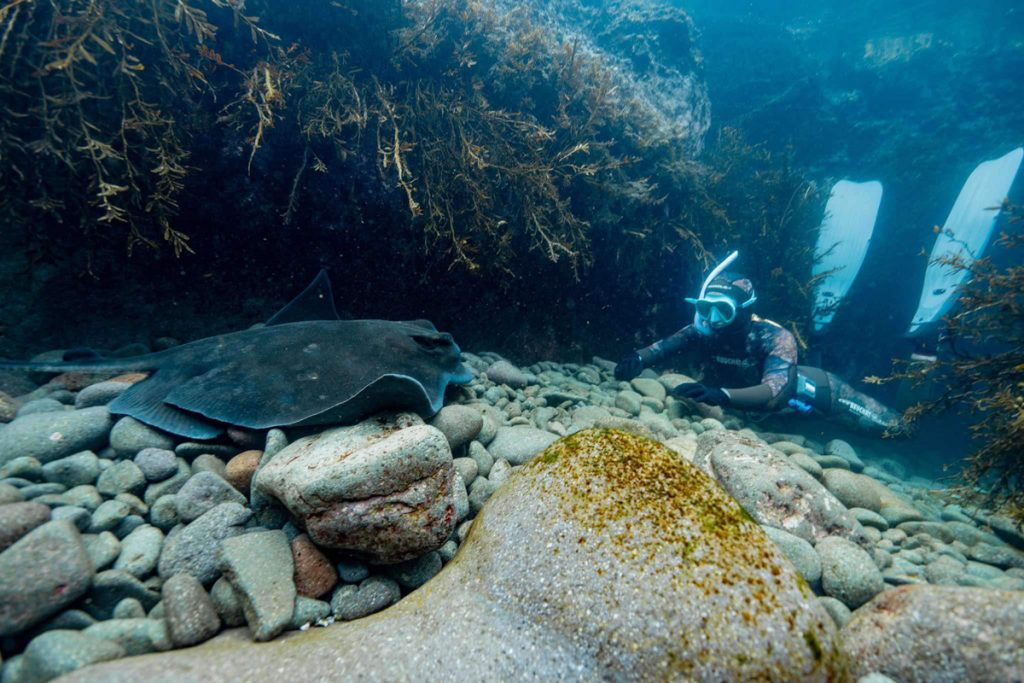
What began as informal guidance and shared dives has evolved into a clear kaupapa: creating safe, supportive pathways for women to access the ocean. For Renee, it mirrors her own journey of reclamation. ‘Salt isn’t just a freediving centre,’ she says. ‘It’s literally my personal journey in business form.’
Today, Salt Aotearoa runs freediving courses, ocean safaris, women’s hunting and gathering experiences, and immersive camps across the country. While technical skills are taught, Renee is clear that what happens beneath the surface goes deeper. ‘Freediving is mindfulness,’ she says. ‘It’s breathwork, presence and learning how to regulate your body and your mind. Many women arrive carrying grief, burnout or trauma … we use the ocean as a vessel for healing. There are always tears,’ she says. ‘There’s always something being processed.’
Nurture and wellbeing sit at the heart of everything Salt Aotearoa offers. Renee speaks of the ocean as rongoā, a living medicine that supports mental, physical and emotional health. Drawing on both her clinical background and mātauranga Māori, she has developed tools to measure changes in wellbeing before and after ocean experiences, gathering evidence to support what participants already feel. ‘We know it works,’ she says.
‘But people want data. So we’re building that too.’
Her life now is markedly different from the one she once lived. Renee resides in Kūaotunu on the east coast of the Coromandel Peninsula, surrounded by ocean, community and extended whānau. She and her partner work together across their ocean-based businesses, raising their young family in a shared, communal way of living. ‘People are in and out of our house all the time,’ she laughs. ‘We have coffee together, we work, we look after each other’s kids.’
These days, Renee spends less time underwater herself and more time watching others experience their firsts: the first calm breath, the first dive, the first moment of trust in their own bodies. ‘You never get to repeat those moments,’ she says.
As Salt Aotearoa continues to grow, its foundation remains deeply personal. It is about care, reconnection and sovereignty; about slowing down in a world that rarely allows it. Through the ocean, Renee has created a space where women are encouraged to nurture themselves, their whakapapa and their relationship with the natural world. ‘It’s not about being a mermaid,’ she says. ‘It’s about remembering who we are.’