A Season of Light, Tradition & Unexpected Adventure
Whether you’re chasing atmospheric villages, winter wildlife, fiery festivals or a steamy onsen set against snowy silence, Japan in winter delivers magic at every turn. No ski boots required.
-
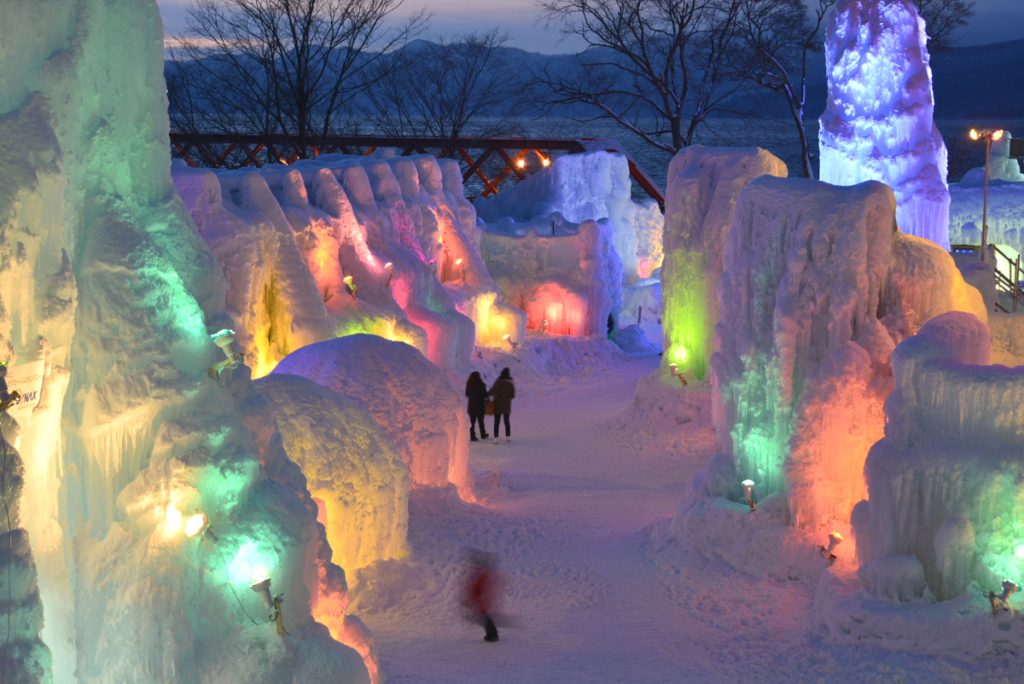
- The Chitose Lake Shikotsu Ice Festival is just one of the many festival’s held in Japan that is worth adding to your bucket list.
For New Zealanders seeking a destination that is both accessible and endlessly surprising, Japan delivers in spades. Stretching more than 3,000 kilometres from its snowy northern frontier to its subtropical southern isles, the country may look compact on a map, but its diversity is staggering.
Spread across four main islands, thousands of smaller ones, and landscapes that sweep from volcanic coastlines and neon-drenched cities to cedar forests, rice terraces and remote mountain villages, Japan is a place where ancient traditions sit beneath futuristic skylines.
For Kiwi travellers, Japan’s appeal is irresistible. It is close enough for an easy long-week getaway yet culturally rich enough to feel like an entirely different world. Its culinary scene – whether Michelin-starred sushi, steaming bowls of ramen, or street-side takoyaki – has long been a drawcard, while its famously efficient trains and impeccable hospitality make exploring effortless and enjoyable. Add in a deep love of nature, a four-season calendar that transforms the landscape dramatically, and a national attention to detail that turns even the simplest moment – a hand-folded note, a seasonal sweet, a hot towel – into something memorable.
It is a destination that casts a spell, calling visitors back year-on-year with winter the pinnacle time for many to explore; yet while it is a season of glittering ice, lantern-lit villages and steamy mountain onsens, there are unexpected adventures that unfold far beyond the famed ski slopes. While powder seekers flock to resorts like Niseko and Hakuba, travellers willing to venture off-piste – figuratively, not literally – will discover a quieter, richer and more varied Japan.
-
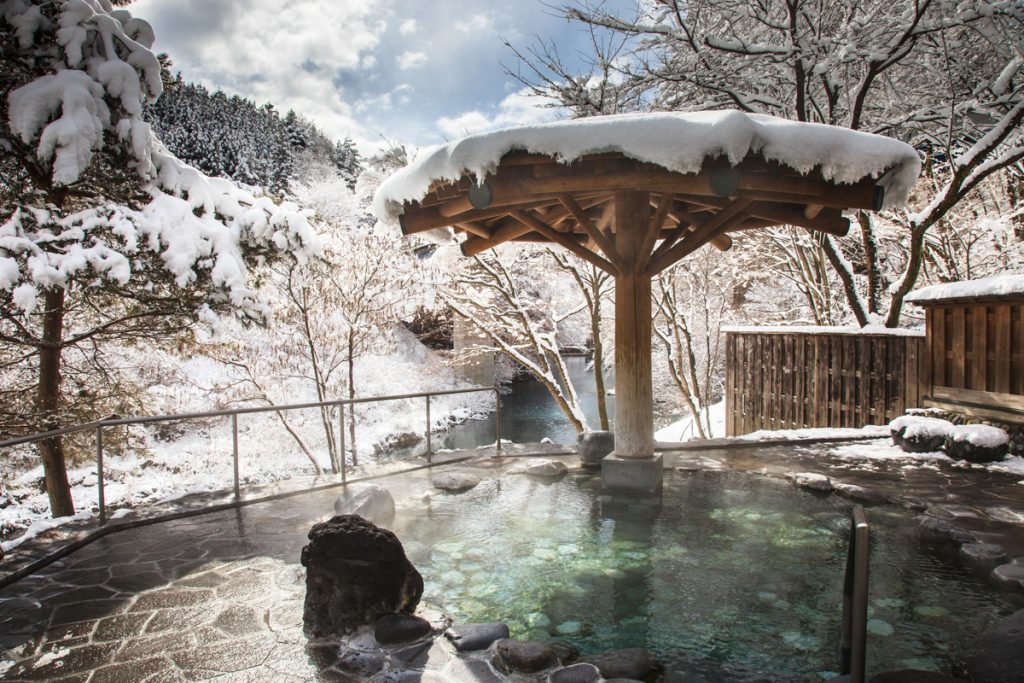
- Shima Onsen – for what is a trip to Japan in winter without a soak in nature.
Soak, Stroll, Wander
Onsens are always a good idea, but an outdoor soak in mid-winter feels transcendental. Steam curls into the crisp air at places like Noboribetsu in Hokkaido, Ginzan Onsen in Yamagata, and the forest-wrapped pools of Takaragawa Onsen in Gunma. Blanketed in snow, these hot springs feel like hidden sanctuaries carved out by nature.
Adventurers, meanwhile, can swap skis for snowshoes and follow winding trails through Daisetsuzan National Park, Nagano’s Hakuba Valley, or the mystical Oirase Gorge in Aomori. For something more daring, glide across the partially frozen Kushiro River in a canoe, race across wide white plains on a snowmobile, or – if you’ve ever dreamed of calling out ‘Mush!’ – try dog-sledding in the mountains of Minakami.
A more charming winter ritual awaits in Nagano’s Jigokudani Monkey Park, where Japanese macaques sink blissfully into steaming pools, unfazed by delighted onlookers. And in Furano, you can join a quirky, only-in-Japan farm tradition: digging for snow-buried cabbages, then sitting down to a warm meal made from your own harvest.
-
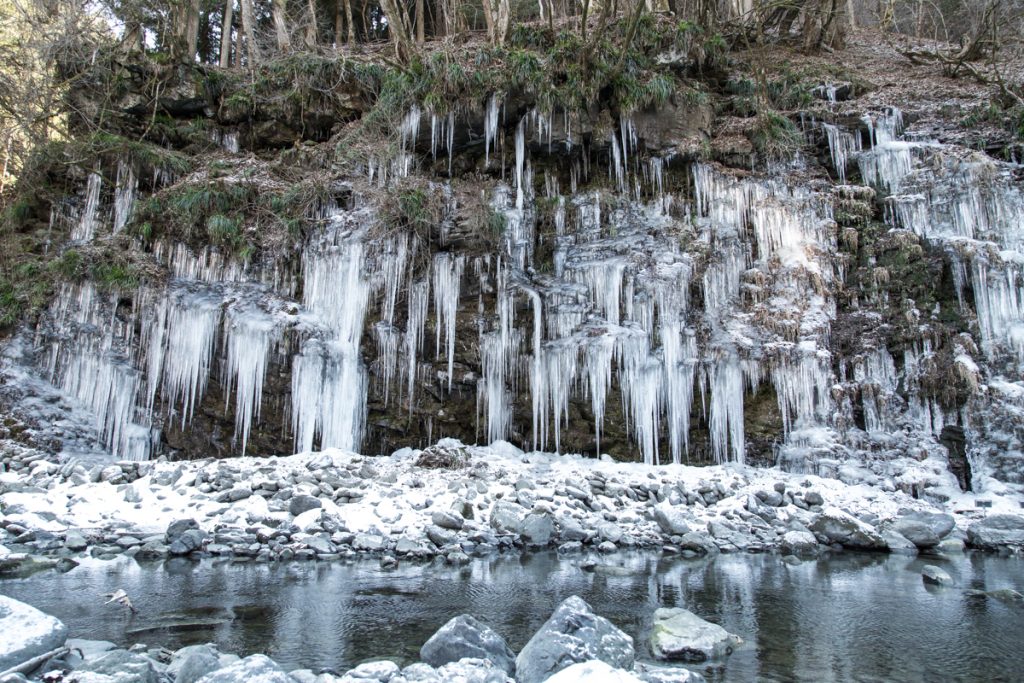
- Just one of the many ice marvels to delight in, the Misotsuchi Icicles hang dramatically over a river in Saitama’s Chichibu region, with some stretching up to eight metres.
Icy Marvels and Mountain Views
Winter sharpens Japan’s landscapes into something almost otherworldly. In Saitama’s Chichibu region, the towering Misotsuchi Icicles, some stretching eight metres, hang dramatically over the river, best viewed at night when they glow under coloured lights.
For a dose of grandeur, crisp winter days offer your best shot at glimpsing the elusive, symmetrical silhouette of Mt Fuji. In Nagasaki, Mt Inasa, voted one of Japan’s top night views, shines brightest in winter’s clear, cold air.
If a fairytale village is on your wish list, head to Hida no Sato in Gifu, a peaceful, less-crowded alternative to busy Shirakawa-go. With snow resting on the steep thatched roofs of Edo-period farmhouses, it feels like stepping into a living folktale. Nearby Takayama is equally enchanting beneath a dusting of snow.
-
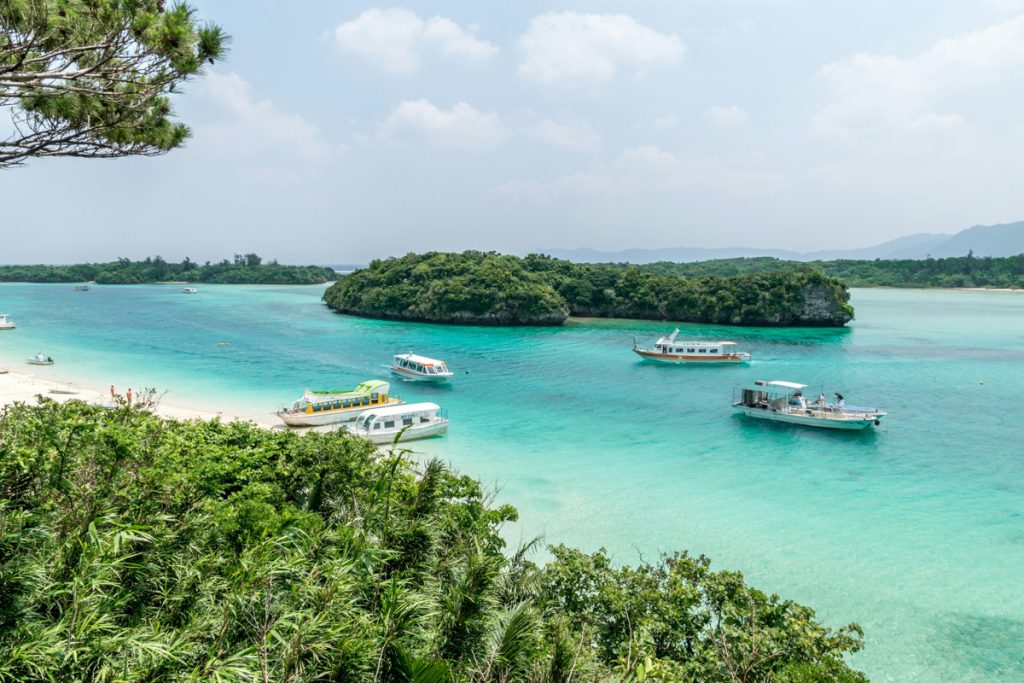
- Ishigaki Island, Okinawa, Japan
-

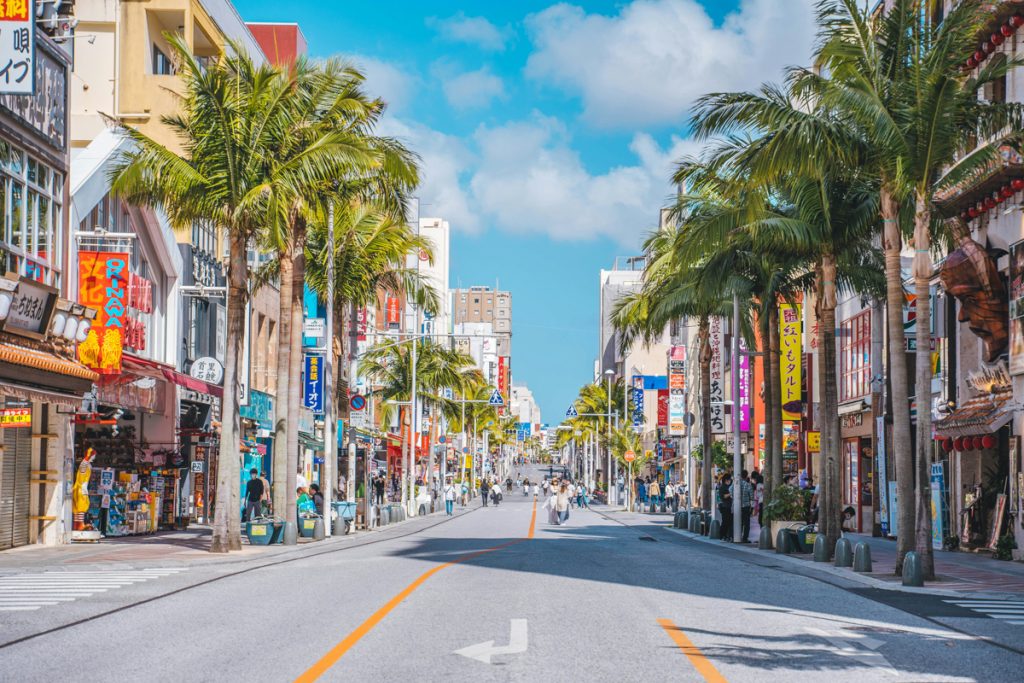
- Kokusai Street in Naha, Okinawa, is vibrantly different from mainland Japan.
-

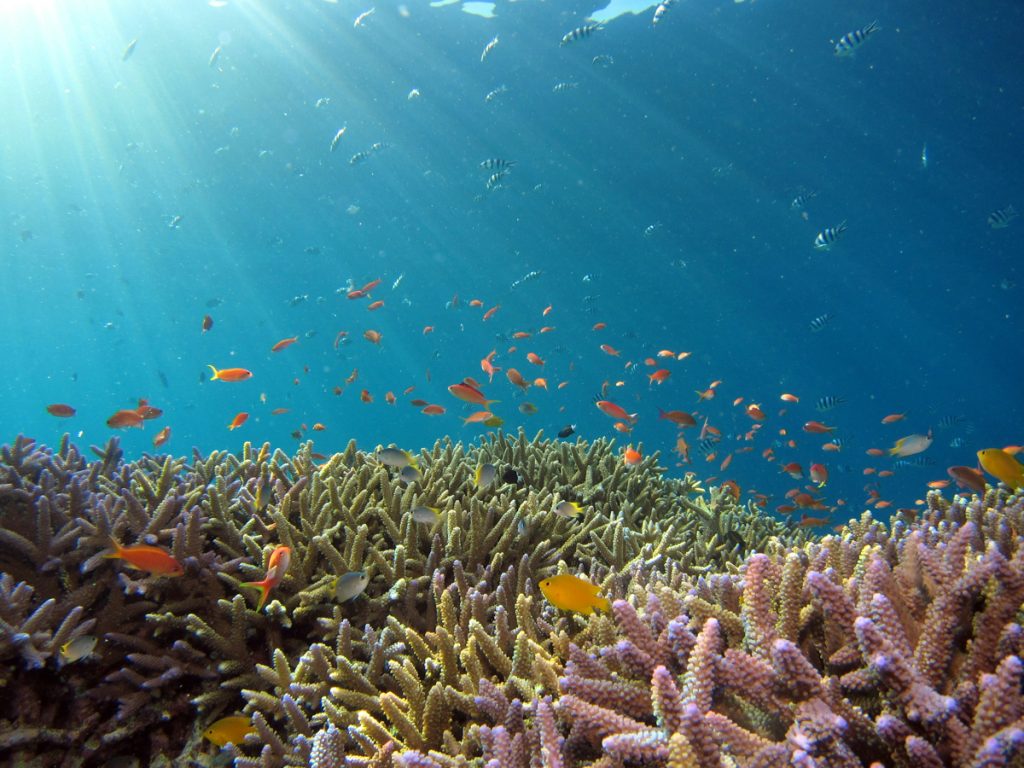
- Winter is one of the most rewarding seasons to explore Okinawa’s underwater world.
Escape to the Tropics
When the chill becomes too sharp, Japan offers an irresistible curveball: Okinawa. While the north slumbers under snow, the southern islands bask in mild breezes and blue waters.
Okinawa offers a gentler, sun-washed idea of winter – one where hibiscus still bloom, waves lap lazily at white beaches and temperatures hover around a pleasant 17 degrees.
Winter is one of the most rewarding seasons to explore Okinawa’s underwater world. Coral reefs around Kerama and Miyako Islands enjoy exceptional visibility, with sea turtles, colourful reef fish and undulating coral gardens easily spotted on snorkelling or diving excursions.
Without the humidity of summer, cycling and coastal hikes become refreshing rather than intense, particularly along the scenic Cape Hedo and the rugged coastline of Kunigami Village.
Culturally, the islands offer a distinctive Ryukyu identity that sets them apart from mainland Japan. Winter brings quieter villages and easier access to UNESCO-listed sites such as Shurijo Castle and the sacred valley of Sefa Utaki. And because Okinawa’s cherry blossoms bloom earlier than anywhere else in Japan, usually from mid-January, you can welcome spring while the rest of the country still sleeps under snow.
With its mild climate, vibrant traditions and turquoise waters, Okinawa isn’t merely an escape from winter, it is an unexpected extension of your Japanese journey, offering warmth, contrast and a sense of discovery that deepens any seasonal itinerary.